
Classic memes represent a unique vernacular in digital communication, transcending fleeting trends to become enduring cultural touchstones. For content creators, marketers, and anyone navigating online audiences, understanding these foundational internet artifacts is not merely about recognizing a popular image; it involves discerning their underlying meaning, stylistic conventions, historical context, and visual cues. This understanding is critical for effective audience engagement, brand voice development, and avoiding misinterpretations in a rapidly evolving digital landscape. A superficial grasp risks misapplication, leading to content that feels out of touch or, worse, generates negative sentiment. A deeper dive, however, reveals a powerful set of communication tools, offering insights into collective humor, social commentary, and viral mechanics that can inform broader content strategies. Understanding the meaning style history and visual guide of these memes offers valuable insight into digital culture.
Defining the "Classic" Meme
A "classic" meme distinguishes itself from ephemeral viral content through several key characteristics. It possesses remarkable longevity, often remaining recognizable and adaptable years after its initial peak virality. These memes typically originate from a specific, often identifiable, source event, image, or video, but quickly evolve into versatile templates for expressing a broad range of emotions, observations, or reactions. Their power lies in their ability to convey complex ideas or shared experiences with minimal effort, acting as a shorthand for cultural understanding. This widespread recognition and adaptability are what cement a meme's status as a classic, allowing it to resurface in new contexts while retaining its core resonance.
The Anatomy of Classic Meme Style and Visual Elements
The visual and stylistic elements of classic memes are often surprisingly consistent, contributing to their immediate recognizability and ease of adaptation. Many early classics, for instance, relied on low-fidelity imagery, often screenshots, crudely edited photos, or simple hand-drawn comics. This aesthetic, far from being a limitation, became part of their charm, signaling authenticity and an organic, user-generated origin. Key stylistic conventions include:
- Impact Font: The ubiquitous white text with a black outline, often centered at the top and bottom of an image, became synonymous with "advice animal" memes and reaction images. Its bold, clear, and universally accessible nature made it the default for conveying pithy statements or punchlines.
- Repetitive Visuals: Classic memes frequently feature easily repeatable or replicable visual elements. Think of the consistent character designs in Rage Comics or the distinct facial expressions that define memes like "Grumpy Cat."
- Juxtaposition: Many classics derive their humor or meaning from the unexpected pairing of an image with text that creates irony, absurdity, or a new narrative. The "Distracted Boyfriend" meme is a prime example, where the visual narrative is entirely dependent on the overlaid text labels.
- Exaggerated Expressions: Human or animal subjects in classic memes often display highly exaggerated facial expressions or body language, making the emotion or reaction instantly legible across cultural barriers.
A Brief History: From Early Internet to Cultural Ubiquity
The trajectory of classic memes traces the evolution of internet culture itself. Early precursors emerged on bulletin board systems (BBS) and Usenet groups in the 1990s, often as text-based copypastas or ASCII art. The early 2000s saw the rise of Flash animations and simple image macros on forums like Something Awful and 4chan. The mid-to-late 2000s marked a golden age with the explosion of "advice animal" memes on platforms like Reddit and Cheezburger, characterized by the Impact Font and a predictable template (e.g., "Philosoraptor," "Success Kid").
The 2010s broadened the meme landscape, incorporating more complex visual narratives, video clips, and increasingly surreal or abstract humor. Platforms like Tumblr, Twitter, and later Instagram and TikTok became incubators for new meme formats, often reacting to current events, pop culture, or shared anxieties. Classic memes from these eras often reflect specific technological limitations or cultural preoccupations of their time, yet their core appeal ensures their continued relevance.
Key Archetypes and Their Enduring Meanings
Understanding classic memes means recognizing their archetypal forms and the specific communicative functions they serve. Each often represents a distinct mode of expression:
- Rage Comics (e.g., "Forever Alone," "Trollface"): Predominantly from the late 2000s, these simple stick-figure comics conveyed raw, relatable emotions like frustration, anger, or awkwardness through a series of panels. They captured universal human experiences in a minimalist, often cynical, style.
- Advice Animals (e.g., "Socially Awkward Penguin," "Success Kid"): These feature an animal or character image paired with a two-line caption in Impact Font, typically offering ironic advice, describing a specific social situation, or celebrating a minor victory. They thrive on relatability and shared experience.
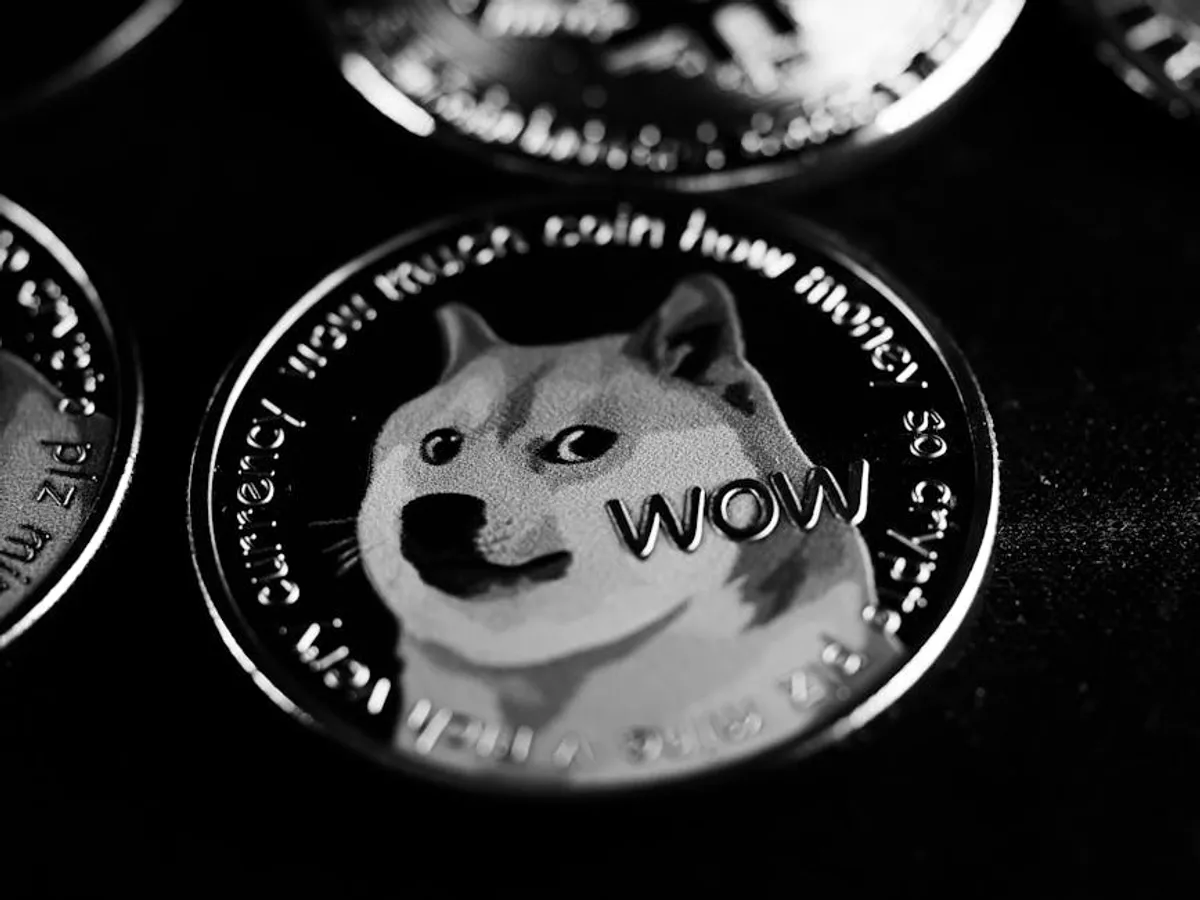
- Doge ("Wow. Such X. Very Y."): Originating in 2013, this meme uses a Shiba Inu dog with internal monologue text in broken English, often in Comic Sans font. It embodies surreal humor, expressing wonder, confusion, or ironic commentary on various subjects.
- Distracted Boyfriend (2017): This stock photo depicts a man looking at another woman while his girlfriend looks on disapprovingly. It's a highly versatile template for illustrating choices, preferences, or divided loyalties, often with humorous or satirical intent.
- Woman Yelling at a Cat (2019): Combining a screenshot from "The Real Housewives of Beverly Hills" with a picture of a confused cat at a dinner table, this meme is a masterclass in juxtaposition, used to express outrage or strong disapproval directed at something perceived as illogical or absurd.
Pro Tip: When considering classic memes for commercial use, prioritize authenticity and audience alignment over simply chasing virality. A meme's effectiveness for a brand hinges on whether its inherent meaning and tone genuinely resonate with your message and target demographic, rather than appearing as a forced or opportunistic attempt to be "trendy." Misusing a meme can quickly lead to a perception of being out-of-touch or inauthentic.
Strategic Integration: Beyond Simple Sharing
Understanding classic memes extends beyond identifying them; it involves recognizing their potential as a strategic tool. For content creators, this means:
Audience Insight: The longevity of classic memes reveals deep-seated cultural touchpoints and shared humor within specific demographics. Analyzing which classics resonate with your audience can provide valuable insights into their collective psyche and communication preferences.
Brand Voice Development: Brands can subtly align their voice by understanding the underlying tone of various meme archetypes. A brand aiming for irreverent humor might draw inspiration from Doge's surrealism, while one focused on relatable everyday struggles might lean into Advice Animals.
Content Longevity: While new memes emerge constantly, classics offer a more stable foundation. Referencing or adapting a classic meme, when done thoughtfully, can provide a sense of nostalgia or shared understanding that newer, more fleeting trends cannot.
Avoiding Pitfalls: A deep understanding helps in avoiding "cringe" marketing. Misinterpreting a meme's meaning, using outdated formats, or applying it inappropriately can alienate an audience and damage brand perception. Knowledge of a meme's history and common usage is crucial for preventing these missteps.
Navigating Meme Culture for Lasting Impact
Engaging with classic memes is not about replicating them verbatim, but about understanding the underlying communication principles that made them successful. This involves recognizing patterns of humor, identifying universal human experiences, and appreciating the visual shorthand they provide. For any professional involved in digital communication, this insight offers a valuable lens through which to view audience engagement, content creation, and the nuanced language of online culture. It's about speaking the audience's language, not just mimicking their words.
Frequently Asked Questions
What makes a meme "classic" instead of just popular?
A classic meme demonstrates significant longevity, broad cultural recognition, and high adaptability. It transcends its initial context to become a versatile template for expressing various ideas or emotions, often remaining relevant years after its peak virality.
Can brands effectively use classic memes in their marketing?
Yes, but with caution. Effective use requires a deep understanding of the meme's original meaning, tone, and audience. Brands should prioritize authenticity and ensure the meme aligns naturally with their brand voice and message to avoid appearing forced or out-of-touch.
How do classic memes influence modern internet culture?
Classic memes provide a foundational language and set of visual tropes that continue to inform newer meme formats. They establish precedents for humor, visual communication, and the rapid dissemination of ideas, shaping how online communities interact and express themselves.