Goat puns, often dismissed as simple wordplay, represent a nuanced intersection of linguistics, cultural reference, and creative application. For content creators, marketers, and communicators, understanding their construction, historical context, and visual integration can transform a fleeting joke into a potent engagement tool. This exploration moves beyond surface-level humor, dissecting the mechanics that make goat puns effective, the diverse styles they embody, their cultural lineage, and how to pair them with compelling visuals for maximum impact across various platforms. The goal is to equip you with the knowledge to deploy these linguistic assets strategically, enhancing brand voice, driving social interaction, or simply adding memorable flair to your messaging.
Deconstructing Goat Puns: Core Linguistic Mechanics
The Double Entendre Foundation
The efficacy of a goat pun hinges on its ability to leverage double meanings, often through phonetic similarity or characteristic association. The most common linguistic anchor is the sound "goat" itself, which readily substitutes for "got" or "go." This phonetic play creates an immediate, low-barrier entry point for humor. Beyond simple sound-alikes, goat puns draw power from the animal's inherent traits and cultural symbolism. Words like "kid" (young goat, child), "billy" (male goat, common name), and "nanny" (female goat, caregiver) provide additional layers of wordplay. Furthermore, the acronym GOAT (Greatest Of All Time) has significantly expanded the punning potential, linking the animal directly to concepts of excellence and superiority. This blend of auditory resemblance and semantic depth forms the bedrock of effective goat punning, allowing for both overt and subtle applications.
Stylistic Applications and Constructive Approaches
Goat puns are not monolithic; they manifest in several distinct styles, each suitable for different contexts and desired effects. Recognizing these categories allows for targeted creation and deployment.
Direct Sound-Alike Puns
These are the most straightforward, relying on homophonic or near-homophonic substitutions. Their strength lies in immediate recognition and broad appeal. They are effective for quick social media engagement or lighthearted brand messaging where clarity of humor is paramount.
- "You've goat to be kidding me!" (substitutes "got")
- "What's up, my goat?" (substitutes "good")
- "Let's goat this show on the road." (substitutes "get")
Best for: Social media captions, casual conversation, quick brand interactions.
Characteristic-Based Puns
This style leverages the known attributes of goats, such as their perceived stubbornness, climbing ability, or even their dietary habits. These puns often require a slightly deeper understanding of the animal, adding a layer of cleverness for the audience.
Examples include playing on the "Greatest Of All Time" (GOAT) acronym, which has become ubiquitous in pop culture and sports. This allows for aspirational or self-congratulatory messaging.
Best for: Branding related to resilience, achievement, or playful self-confidence.
Contextual and Situational Puns
These puns integrate goats or goat-related concepts into specific scenarios, often drawing on farming, mountain environments, or products like milk and cheese. Their effectiveness is heightened when the context is already established, making the pun feel organic rather than forced.
Best for: Niche marketing, themed events, or content related to agriculture, nature, or dairy products.
The Cultural Trajectory of Goat-Related Wordplay
The goat's role in human culture provides a rich substratum for its punning potential. Historically, goats have been intertwined with human civilization for millennia, featuring prominently in agriculture, mythology, and religious symbolism. The "scapegoat" concept, originating from ancient Jewish ritual, imbues the animal with a burden-bearing quality, which, while serious, can be subverted for ironic or self-deprecating humor. In folklore, goats often appear as mischievous or determined creatures, characteristics that lend themselves to playful linguistic twists. More recently, the widespread adoption of the "GOAT" acronym, particularly within sports and entertainment, has dramatically elevated the goat's status as a symbol of unparalleled achievement. This contemporary association has broadened the appeal of goat puns, enabling them to convey not just humor but also admiration and aspiration, making them relevant across a wider spectrum of communication objectives.
Integrating Visuals with Goat Puns for Impact
A well-crafted goat pun gains significant traction when paired with complementary visuals. The image not only enhances the humor but can also clarify the pun's intent, especially for those who might miss the linguistic nuance. Effective visual integration is a strategic choice, not an afterthought.
Image Selection and Pairing
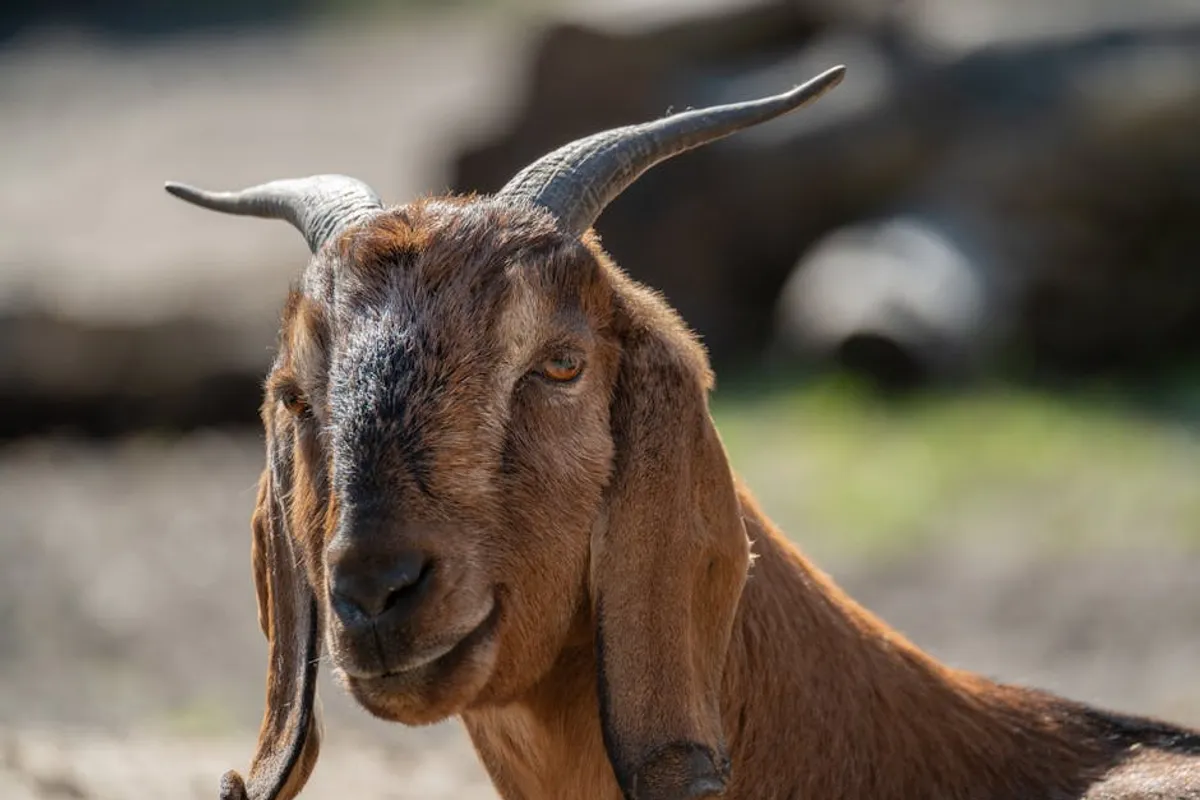
The type of goat image chosen should align directly with the pun's tone and message. For lighthearted, endearing puns (e.g., "You're the GOATest!"), images of playful goat kids or cartoon goats often work best. If the pun is about resilience or determination (e.g., "Goat for it!"), a majestic mountain goat navigating rugged terrain can reinforce the message. Conversely, a minimalist graphic of a goat silhouette might suit a more sophisticated or abstract pun. Consider the color palette, composition, and overall emotional resonance of the visual to ensure it harmonizes with the wordplay, creating a cohesive and impactful message.
Text Overlay and Typography
When incorporating text directly onto an image, typography plays a crucial role. The font choice should match the visual style and the pun's mood—a playful sans-serif for a whimsical pun, or a bold, impactful font for a GOAT-themed declaration. Text placement must ensure readability without obscuring key visual elements. Strategic use of color for the text can also draw attention and reinforce brand identity. The goal is to create a unified visual-linguistic experience where the image and text amplify each other, making the pun more memorable and shareable.
Pro Tip: Ensure visual consistency across all platforms. If your brand uses a specific illustration style or photography aesthetic, maintain that look even when incorporating goat imagery. Disjointed visuals can undermine the pun's effectiveness and dilute brand recognition.
Maximizing Engagement with Strategic Goat Puns
To leverage goat puns effectively, consider your audience, platform, and objective. For social media, short, punchy puns paired with an engaging visual tend to perform well, driving likes and shares. In email marketing, a clever goat pun in the subject line can increase open rates by sparking curiosity. For product descriptions or brand storytelling, characteristic-based puns can subtly inject personality and differentiate your offering. Always test different pun styles and visual pairings to understand what resonates most with your specific demographic. The most successful applications integrate the pun seamlessly into the overall communication strategy, making it feel organic and authentic rather than forced or extraneous.
Frequently Asked Questions About Goat Puns
What makes a goat pun effective?
An effective goat pun typically relies on phonetic similarity (e.g., "goat" for "got") or leverages well-known characteristics and cultural associations of goats, including the "GOAT" acronym, to create a surprising and humorous double meaning.
Can goat puns be used in professional contexts?
Yes, depending on the industry and brand voice. In creative, marketing, or casual professional settings, a well-placed goat pun can add personality and make content more memorable. However, in highly formal or serious contexts, they might be perceived as unprofessional.
How can I ensure my goat pun is original?
While many common goat puns exist, originality comes from contextual application. Tailor the pun to your specific product, service, or message, and pair it with unique visuals or a fresh narrative angle to make it distinctly your own.
What are common pitfalls to avoid when using goat puns?
Avoid overusing them, as repetition can diminish their impact. Ensure the pun is clear and easily understood by your target audience; overly obscure references can fall flat. Also, confirm the pun aligns with your brand's overall tone and doesn't inadvertently convey an unintended or negative message.