The album side is largely dead as a listening unit. Streaming presents albums as continuous sequences of tracks; CDs collapsed the side break into a smooth play-through; even vinyl listeners often hear sides as administrative interruptions rather than as meaningful structural units. The album side as deliberate artistic structure — albums sequenced specifically around the side break — is almost invisible in current music culture.
This is, I think, a small cultural loss. The album side is a meaningful unit of listening with specific qualities that other formats don't replicate. This essay is about what the album side is, why it works, and what we lose when listening culture treats it as obsolete.
What the album side does
An album side is approximately 18-25 minutes of continuous listening. Long enough to develop a substantial musical experience; short enough to sustain attention; ended definitively by the physical limitation of the medium.
This length corresponds approximately to attention spans — long enough to get into something, short enough to finish without exhaustion. It also corresponds to common life rhythms — long enough to soundtrack a meaningful activity (cooking dinner, an evening drink, a quiet morning), short enough to fit between activities.
The forced ending matters. The side ends; you have to get up, flip the record, decide whether to continue. The break creates space for reflection that continuous play doesn't provide. Often you continue, but sometimes you don't — the natural break gives permission to stop without abandoning the album.
Why the album side worked artistically
Albums made during the vinyl era were sequenced with the side break as a structural element. Side openings and closings were chosen deliberately. The narrative arc within each side, and across the album, was shaped by the constraint.
The classic albums of the LP era often have specific patterns: side one opens with the strongest track and closes with a major statement; side two opens with surprise or change and closes with definitive resolution. The structure isn't universal but is common enough that listeners attuned to it can perceive it.
Albums made for streaming or CD often abandon this structure. Tracks flow continuously without the deliberate two-part architecture. The result is sometimes good — albums work well as continuous experiences. But the specific artistic possibility of the album side is largely missing from contemporary album-making.
What we lose without it
Without the album side as listening unit, several things change:
Listening becomes more passive. The continuous-play format encourages putting an album on and letting it run. The active engagement of flipping sides at appropriate moments goes away. Passive listening produces less-deep engagement than active listening.
Album structure becomes less perceivable. Albums sequenced as sides have different shape than albums sequenced as continuous track lists. Listeners who hear them as continuous miss the structural choices the artist made.
The natural break for reflection disappears. The side break is a moment to consider what you've just heard before continuing. Without it, the listening flows past without natural pauses.
Listening commitment changes shape. Listening to a side is a 20-minute commitment with a clear endpoint. Listening to a streaming album is a more open-ended commitment that can drift into background.
What still preserves the side
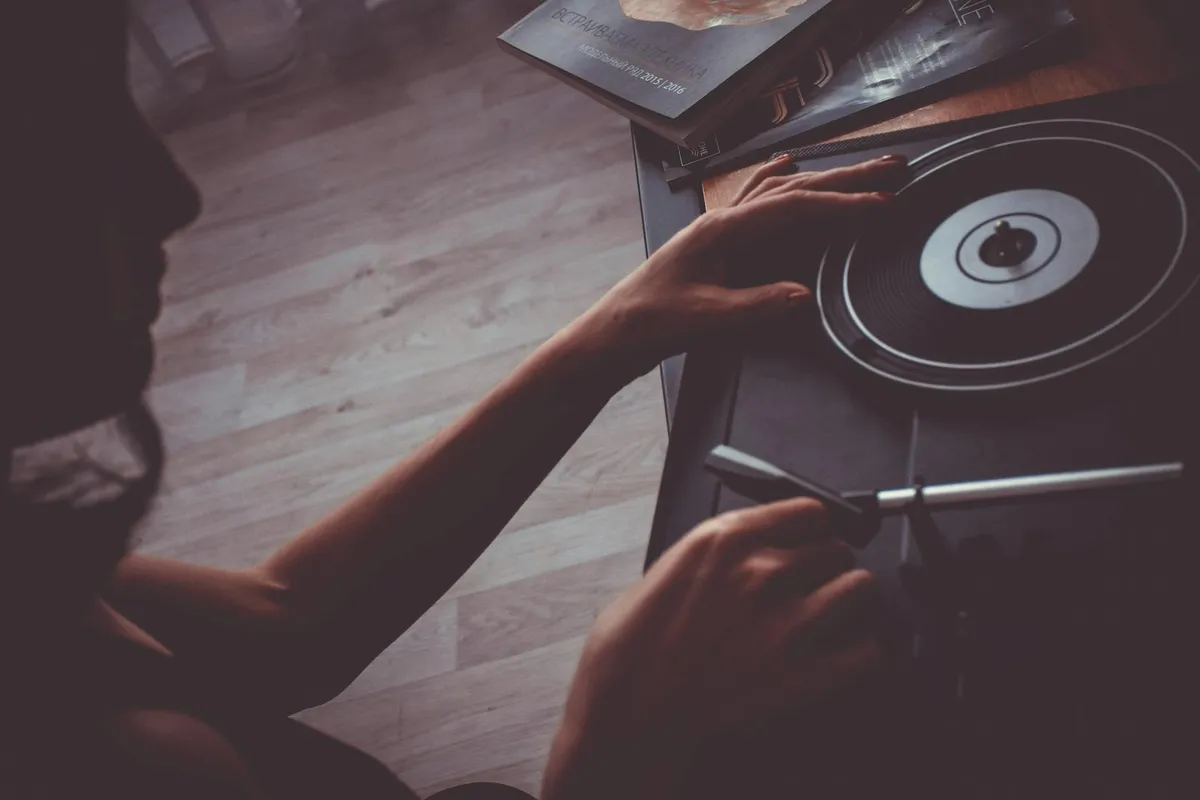
Vinyl listening preserves the side as physical reality. Listeners who play vinyl albums encounter side breaks whether they want to or not. The constraint produces the listening pattern that streaming abandons.
Cassette listening also preserves it (though cassette is largely a niche revival format). The same physical constraints that vinyl imposes operate on cassette.
Some streaming services allow chapter or section breaks within albums, but few albums use them, and the streaming context generally doesn't reward the side-break listening experience.
The case for side listening
For listeners interested in deepening their relationship with music, occasional side-listening is worth incorporating into musical practice.
The practical version: pick an album made during the vinyl era. Find out what the side break is (track listings on Discogs and similar sources show side splits). Listen to side one, take a few minutes break, then listen to side two. Notice the difference from listening to the album as continuous flow.
For many albums, the side structure becomes audible once you're looking for it. The strong side openings and closings, the contrast between sides, the structural choices — all reveal themselves to listening that respects the side as unit.
This works best with albums that were specifically designed for the side format — most major rock, pop, and jazz albums from roughly 1955 through 1985. Albums from the CD era and after often don't have this structure even if they nominally have side splits in vinyl reissues.
The vinyl experience generally
Vinyl listening preserves the side break as one of several aspects of the format that produce different listening experiences than digital. Other aspects:
The physical handling. Removing the record from sleeve, placing on turntable, lowering needle — the small ritual focuses attention on the act of listening.
The 12" sleeve. The album artwork at full size is a meaningfully different experience from the thumbnail digital version. The visual context that supported album-as-artwork tradition.
The audible artifacts. Surface noise, occasional clicks, the warmth (or absence thereof) of analog playback. These are sometimes considered faults; for many vinyl listeners they're part of what makes the format distinctive.
The cost of attention. Vinyl can't be skipped easily. You hear the songs in order. The discipline imposed by the format produces a different relationship with the album than skip-friendly digital does.
None of these is necessary for serious music listening — many listeners engage deeply with music through digital formats. But the combination of features in vinyl listening produces a particular listening experience that other formats don't replicate.
The mood for side listening
The side-listening experience suits certain moods better than others. The deliberate engagement, the active flipping, the focused attention — these work for evenings when the listening is the primary activity rather than background to other things.
Side listening is harder during work, while exercising, in cars. The format doesn't suit divided attention. Streaming better suits the situations where music shares attention with other activities.
The two modes coexist. Streaming for the contexts where music supports other activity; side listening for the contexts where music is the activity itself. Both have value; the second is the one currently underweighted in music culture.
The albums to start with
For listeners curious about side listening, particular albums reward the format especially:
- The Beatles — Revolver, Sgt. Pepper's Lonely Hearts Club Band, Abbey Road
- Pink Floyd — The Dark Side of the Moon, Wish You Were Here
- Joni Mitchell — Court and Spark, Hejira
- Stevie Wonder — Songs in the Key of Life, Innervisions
- Marvin Gaye — What's Going On
- Miles Davis — Kind of Blue
- Joni Mitchell — Blue
- Bob Dylan — Blood on the Tracks, Highway 61 Revisited
These albums were sequenced for the side format and reward listening that respects the format. The side openings and closings are usually deliberate; the structural arc within each side and across the album is usually perceivable.
The closing observation
The album side is a small artistic form that's mostly disappeared from current music culture. Like other small forms (the typewritten letter, the handwritten card, the home-cooked weekend dinner), it has value that the more-convenient replacements don't replicate.
For listeners interested in music as something more than convenient soundtrack, the occasional side-listening session offers a different kind of musical engagement than streaming provides. Worth incorporating into the practice — not as the only mode, but as one mode among several.
The records were made for the format. They reward the format. The flip is the feature, not the bug.