
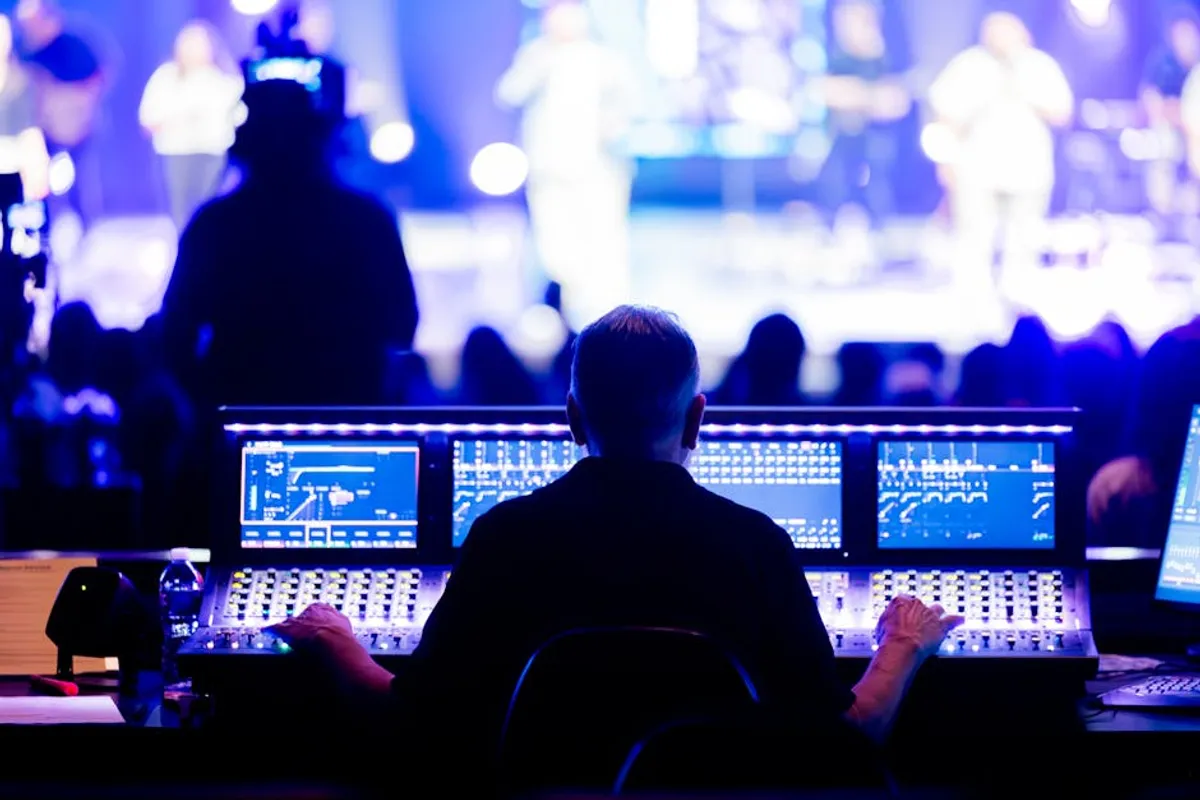
Concert reviews serve as crucial content assets for publishers, establishing authority in music journalism, driving organic search traffic around artists and events, and providing valuable historical documentation for fans and industry professionals. Crafting an effective concert review involves more than simply recounting a setlist; it requires structured observation, critical analysis, and compelling narrative to capture the live experience for an audience that may or may not have attended. The objective is to produce content that is both informative and engaging, offering unique insights that resonate with search intent related to specific performances, artists, and venues.
Pre-Concert Preparation and Research
Effective concert reviewing begins long before the first note. Thorough preparation ensures the reviewer approaches the event with context, allowing for deeper analysis beyond surface-level observations. This groundwork is essential for generating content that stands out in search results and provides genuine value.
- Artist Background and Discography: Understand the artist's career trajectory, recent releases, and significant works. This helps contextualize the performance within their larger artistic narrative. For example, knowing an artist is touring a new album allows the reviewer to focus on how new material integrates with classics.
- Previous Performances and Reviews: Review past setlists, critical reception, and fan reactions to prior shows, especially from the current tour. This establishes a baseline for comparison and helps identify recurring elements or notable deviations.
- Venue Logistics: Familiarize yourself with the venue's acoustics, seating arrangements, and general atmosphere. These factors can significantly impact the audience experience and the performance itself. Note potential sound dead spots or visual obstructions.
- Anticipated Setlist and Themes: While not always exact, researching typical setlists or tour themes can help prepare for specific moments or narrative arcs the artist might present. This allows for pre-computation of potential talking points.
Observation and Documentation During the Performance
During the concert, the focus shifts from preparation to active, critical observation and meticulous note-taking. This phase is about capturing raw data and sensory details that will form the backbone of the review. Relying solely on memory can lead to generic descriptions, diminishing the content's specificity and search value.
Key areas for observation include:
- Sound Quality and Mix: Assess the clarity, balance, and volume of instruments and vocals. Note any technical issues or particularly strong sonic moments.
- Visuals and Stage Presence: Document lighting design, video projections, stage sets, and the artist's interaction with the audience and band members. How do these elements contribute to the overall atmosphere?
- Audience Engagement: Observe crowd reactions, energy levels, and participation. Does the artist successfully connect with the audience? Are there moments of collective enthusiasm or quiet reflection?
- Setlist Structure and Flow: Track the order of songs, transitions between pieces, and any unexpected inclusions or omissions. How does the setlist build momentum or convey a particular message?
- Specific Moments: Note unique improvisations, guest appearances, memorable anecdotes shared by the artist, or particularly powerful vocal/instrumental performances. These details provide concrete evidence for broader analytical points.
Pro Tip: Resist the urge to simply list every song played. Instead, focus on how the setlist unfolds, identifying thematic connections, emotional arcs, and peak moments. Your review should interpret the performance, not just transcribe it.
Structuring and Writing the Review
A well-structured review guides the reader through the experience, offering a coherent narrative and analytical framework. The goal is to translate observations into compelling prose that informs and engages, supporting the publisher's authority in the niche.
Crafting an Engaging Introduction
The opening paragraph should immediately orient the reader, stating the artist, venue, and date, while also setting the tone or main thesis of the review. This functions as a hook, establishing the article's relevance for search queries.
Developing the Body Paragraphs
Organize the body thematically or chronologically. Instead of a song-by-song breakdown, group observations into broader categories such as "Vocal Performance," "Instrumental Prowess," "Stagecraft and Visuals," or "Audience Interaction." Use specific examples from your notes to substantiate claims.
Example: Rather than "They played 'Song A' then 'Song B'," write, "The transition from the raw energy of 'Song A' into the atmospheric 'Song B' showcased the band's dynamic range, underpinned by a seamless lighting shift from stark white to deep indigo."
Delivering a Conclusive Summary
The conclusion should synthesize the main points, reiterate the overall impact of the performance, and offer a final assessment. Avoid introducing new information here. Instead, provide a lasting impression that encapsulates the concert's significance or artistic statement.
Refinement, Editing, and Publication
Before publication, a concert review requires thorough editing for clarity, conciseness, and accuracy. This stage also involves optimizing the content for search visibility, ensuring it reaches the intended audience.
- Clarity and Flow: Ensure sentences are clear, paragraphs transition smoothly, and the narrative maintains a logical progression. Eliminate jargon where possible or explain it clearly.
- Accuracy: Double-check artist names, song titles, venue details, and any factual claims. Inaccuracies undermine credibility.
- Vivid Language: Use descriptive adjectives and strong verbs to evoke the sensory experience of the concert. Avoid clichés and generic praise.
- Search Engine Optimization (SEO):
- Title Tag and Meta Description: Include the artist's name, venue, and date in the title and meta description to align with specific search queries.
- Keyword Integration: Naturally weave in relevant keywords such as artist name, album titles, genre, and city/venue names throughout the body.
- Internal Linking: Link to other relevant content on your site, such as artist profiles, album reviews, or previous concert coverage.
- Image Optimization: If including photos, use descriptive alt text that incorporates relevant keywords.
Maximizing Review Impact
Producing high-quality concert reviews consistently builds a reputation for informed commentary and reliable content. By focusing on detailed observation, analytical depth, and clear communication, publishers can create valuable assets that attract and retain an engaged audience, while also performing strongly in organic search for event-specific queries.
Frequently Asked Questions
How long should a concert review be?
The ideal length varies, but most effective concert reviews range from 500 to 1,000 words. This allows enough space for detailed observation and analysis without becoming overly verbose. Focus on substance over arbitrary word count.
Should I include photos or videos?
Yes, incorporating high-quality, relevant photos or short video clips significantly enhances engagement and provides visual context. Ensure all media is properly attributed and optimized for web performance with descriptive alt text.
How do I handle a performance that was genuinely bad?
Maintain objectivity and professionalism. Focus on specific issues (e.g., poor sound mix, lack of stage presence, technical difficulties) rather than subjective insults. Support criticisms with concrete examples, and consider if there were any redeeming qualities or contributing factors.
Is it acceptable to express personal opinions?
While a review is inherently subjective, ground your opinions in observable facts and analytical reasoning. Clearly differentiate between personal preference and critical assessment supported by evidence from the performance. The goal is an informed critique, not just a fan's reaction.