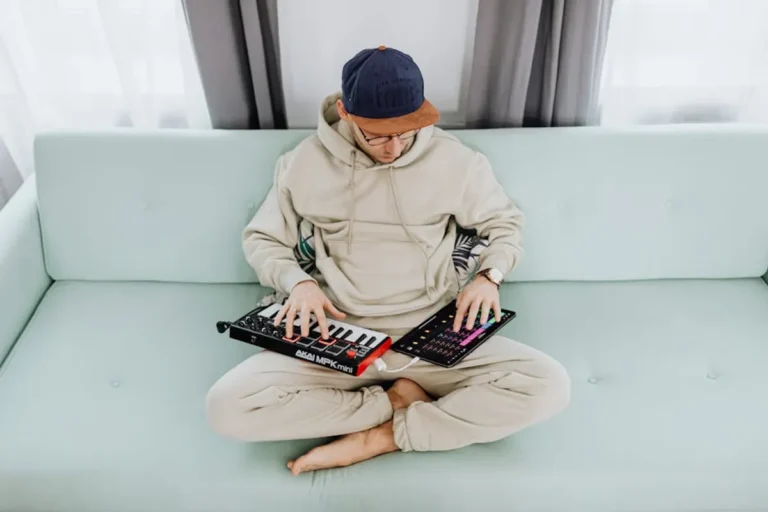

Planning a music workshop extends beyond simply having a musical skill to share; it requires a strategic approach to organization, marketing, and delivery to ensure both educational value for participants and commercial viability for organizers. A well-executed workshop can establish your reputation, generate revenue, and build a dedicated community. Conversely, a poorly planned event risks financial loss, participant dissatisfaction, and damage to your brand. The key is to systematically address each phase, from initial concept to post-event follow-up, ensuring every detail aligns with your objectives and resonates with your target audience.
Defining Your Workshop's Purpose and Target Audience
Before any content development, clearly articulate the workshop's core purpose. Is it to introduce beginners to an instrument, refine advanced techniques for experienced musicians, explore a specific genre, or foster collaborative songwriting? This clarity informs every subsequent decision. Simultaneously, identify your ideal participant. Consider their current skill level, age range, musical interests, and what they hope to gain. Understanding their pain points or aspirations allows you to tailor content, marketing messages, and even pricing structures effectively.
- Beginner Workshops: Focus on foundational concepts, simple exercises, and building confidence.
- Intermediate Workshops: Address specific skill gaps, introduce new techniques, and provide structured practice.
- Advanced Workshops: Dive deep into complex theory, improvisation, performance nuances, or specialized production.
- Specialty Workshops: Target niche interests like songwriting, music production software, specific cultural music, or instrument maintenance.
Defining these parameters early prevents scope creep and ensures your workshop delivers focused value to a receptive group.
Curriculum Development and Content Design
With a clear purpose and audience, structure the workshop content. Break down the learning objectives into manageable modules or sessions. For each module, outline specific topics, practical exercises, and expected outcomes. Balance theoretical instruction with hands-on application; music workshops thrive on active participation. Prepare all necessary materials in advance: sheet music, chord charts, backing tracks, presentation slides, or digital resources. Consider the pacing – how much information can participants absorb effectively within the allotted time? Overloading can lead to frustration, while too little content feels unfulfilling. To ensure everyone can follow along, consider providing resources for reading sheet music or basic notation.
Pro Tip: Design your curriculum with a "learn by doing" philosophy. Incorporate frequent, short practical exercises that allow participants to immediately apply new concepts. This reinforces learning and maintains engagement far more effectively than passive listening alone.
Logistics: Venue, Equipment, and Scheduling
The physical or virtual environment significantly impacts the workshop experience. For in-person events, select a venue that offers appropriate acoustics, adequate space for instruments and movement, and necessary amenities (restrooms, parking, accessibility). Verify sound systems, projectors, and internet connectivity if required. If providing instruments, ensure they are in good working order and suitable for the workshop's focus. For online workshops, choose a reliable platform that supports interactive features, screen sharing, and clear audio/video. Test all equipment rigorously before the event.
Scheduling involves more than just picking a date. Consider the duration (half-day, full-day, multi-session), time of day (evenings, weekends), and potential conflicts with holidays or other local events. Build in breaks for participants to rest, network, and absorb information. A well-planned schedule prevents fatigue and maximizes learning.
Marketing and Promotion Strategies
Effective marketing is crucial for attracting participants. Develop compelling messaging that highlights the unique benefits and learning outcomes of your workshop. Use clear, concise language that speaks directly to your target audience's needs. Identify the most effective channels to reach them:
Channel Examples:
Social Media: Utilize platforms where your target demographic is active. Create event pages, share engaging content (short video teasers, instructor introductions), and run targeted ads.
Email Marketing: Leverage existing subscriber lists. Craft personalized emails announcing the workshop, detailing its benefits, and offering early bird registration incentives.
Local Partnerships: Collaborate with music schools, community centers, instrument shops, or local bands. They can promote your workshop to their networks.
Online Directories: List your workshop on relevant event calendars and music education platforms.
Website/Blog: Create a dedicated landing page with all workshop details, including curriculum, instructor bios, testimonials, and registration information.
Emphasize the transformation or skill acquisition participants will experience, rather than just listing features. Early bird discounts and testimonials from past participants can drive early registrations.
Pricing and Financial Considerations
Determine your workshop's pricing structure by first calculating all direct and indirect costs: venue rental, instructor fees, materials, marketing expenses, platform subscriptions (for online), and administrative overhead. Research competitor pricing for similar workshops to understand market rates. Consider offering tiered pricing (e.g., basic access, premium with one-on-one time, group discounts) to appeal to a broader audience and maximize enrollment. Ensure your pricing reflects the perceived value and expertise offered, while also covering costs and generating a reasonable profit margin. Transparency about what the fee includes can build trust.
Execution and Follow-Up
On the day of the workshop, ensure smooth execution. Have a clear agenda, manage time effectively, and be prepared for technical glitches or unexpected questions. Foster an inclusive and supportive learning environment. Encourage interaction and provide opportunities for participants to ask questions and share their work. Post-workshop, gather feedback through surveys to identify areas for improvement. Maintain engagement by sending follow-up emails with supplementary materials, practice tips, or information about future workshops. This not only adds value but also nurtures a community and builds a pipeline for future events.
Implementing Your Workshop Plan
Successful music workshop planning is an iterative process. Start with a solid framework, but remain flexible enough to adapt based on feedback and real-world conditions. Document your processes, track what works, and continuously refine your approach for future events. By focusing on clear objectives, participant value, and diligent logistics, you can create engaging and commercially successful music education experiences.
Frequently Asked Questions
How long should a music workshop typically be?
Workshop duration varies significantly based on the topic and target audience. A beginner's introduction might be 2-3 hours, while an advanced technique deep-dive could span a full day or multiple sessions over several weeks. Consider participant attention spans and the depth of material.
What is an ideal number of participants for a music workshop?
The ideal number depends on the workshop's interactive nature and the instructor's capacity. For hands-on, personalized instruction, smaller groups (5-15) are often best. For lecture-style or large ensemble workshops, larger groups might be feasible, but ensure you can still manage engagement effectively.
Should I offer online or in-person music workshops?
Both formats have merits. Online workshops offer wider reach and lower venue costs, while in-person events provide direct interaction and often better sound quality for group playing. Consider your target audience's preferences and the specific requirements of your musical content.
How do I find qualified instructors for my music workshop?
Look for instructors with both strong musical expertise and proven teaching experience. Network within local music communities, check university music departments, or seek recommendations. Always verify their experience and ability to communicate complex concepts clearly.