Interviewing musicians offers a unique opportunity to generate compelling content, connect with an audience, and provide valuable insights into the creative process. For content creators, podcasters, journalists, and marketing professionals, a well-executed interview transcends simple Q&A; it crafts a narrative that resonates, builds authority, and drives engagement. This guide outlines a structured approach to interviewing musicians, ensuring you extract meaningful stories and produce high-quality material.
Laying the Groundwork: Pre-Interview Essentials
Deep Research and Angle Development
Effective interviews begin long before the recording starts. Thorough research is non-negotiable for extracting unique insights. Begin by immersing yourself in the musician's discography, listening critically to their body of work to identify lyrical themes, musical evolution, and production styles. Review past interviews to understand their common talking points, identify areas they rarely discuss, and avoid redundant questions. Explore their social media presence, recent news, and any official press releases to grasp their current projects, public persona, and recent professional developments. This comprehensive background allows you to identify specific angles and narratives that will make your interview distinctive. Instead of generic questions about influences, you can inquire about the specific impact of a lesser-known artist on a particular track, or the creative tension behind a specific album's production.
Crafting Effective Questions
The quality of your questions directly correlates with the depth of the interview. Avoid binary "yes/no" questions, which stifle conversation and yield minimal information. Instead, formulate open-ended prompts that encourage elaboration and personal reflection. Phrases like "Tell me about the inspiration behind..." or "How did you navigate the challenges of..." invite detailed responses. Incorporate specificity by referencing particular lyrics, musical arrangements, live performances, or collaborations. This demonstrates your genuine engagement with their work and encourages more thoughtful answers. While a structured list of questions is crucial for coverage, be prepared to deviate. The most compelling insights often emerge from follow-up questions prompted by an artist's initial response. A logical flow from broader topics to more specific or reflective ones can guide the conversation naturally.
Orchestrating the Session: Logistics and Setup
Choosing the Right Environment
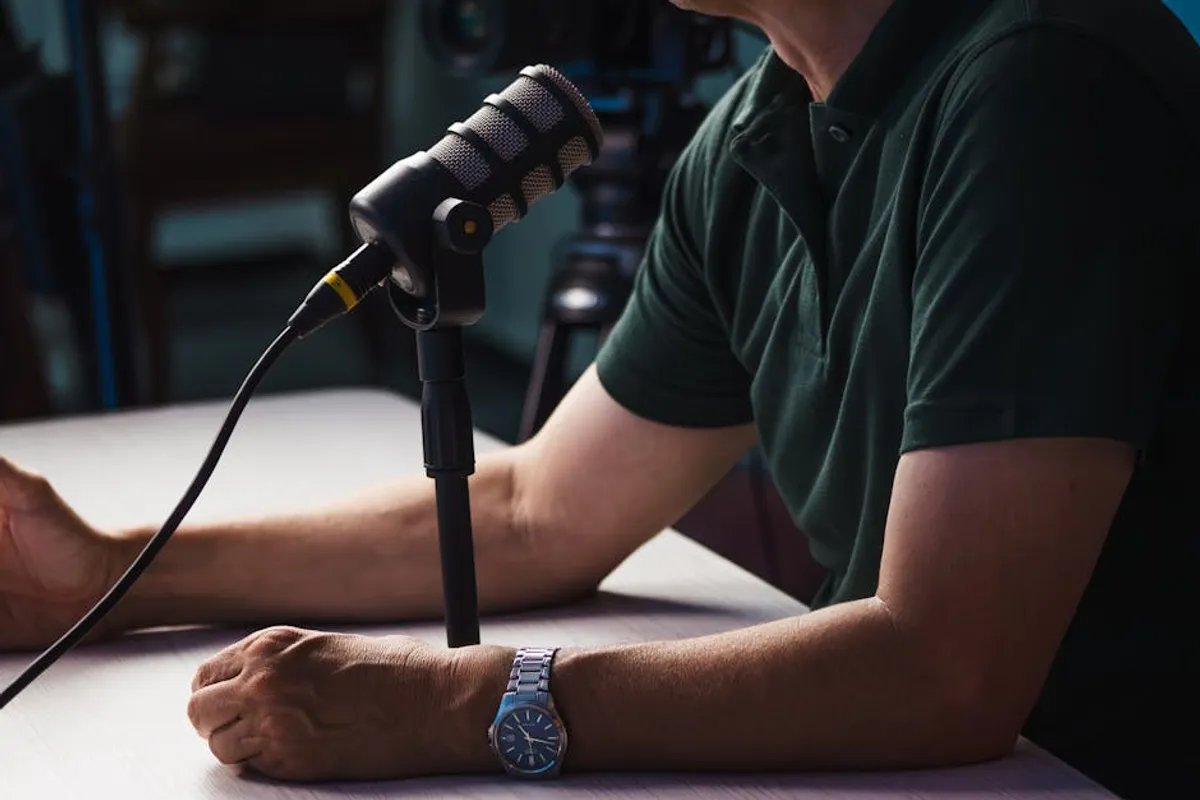
The interview environment significantly impacts audio quality and participant comfort. For in-person interviews, select a quiet location with minimal background noise, good acoustics, and a comfortable setting that encourages open dialogue. Avoid busy cafes or echo-prone rooms. For remote interviews—whether via video or phone—ensure both parties have a stable internet connection, adequate lighting (for video), and a high-quality microphone. A dedicated external microphone dramatically improves audio clarity compared to built-in laptop or phone mics. Always confirm time zones in advance to prevent scheduling errors.
Technical Preparedness
Reliable recording equipment is paramount. Your primary recording device should be a dedicated digital audio recorder or a computer running professional recording software with an external microphone. Always have a backup recording method, such as a second digital recorder, a smartphone recording app, or even a simple voice memo. Test all equipment—microphones, recorders, headphones, software—before the interview begins to confirm functionality and optimal settings. Ensure all batteries are fully charged and have spare power sources available. While digital notes are efficient, having a physical notepad and pen can serve as a reliable backup for capturing key points or unexpected insights.
Engaging the Artist: During the Interview
Building Rapport and Active Listening
Establishing rapport is critical for a relaxed and candid conversation. Begin with a brief, light chat unrelated to the interview topic to ease any initial tension. Clearly introduce yourself, state the interview's purpose, and confirm the allotted time. The most effective interviewers listen actively, allowing the artist to speak without interruption. Resist the urge to jump to your next prepared question; instead, listen for nuances, unexpected statements, or emotional undertones that warrant a follow-up. Observe non-verbal cues, like body language or vocal shifts, which can indicate comfort, hesitation, or a desire to elaborate. This attentiveness fosters trust and encourages deeper sharing.
Navigating the Conversation
While your prepared questions provide a framework, flexibility is key. The most insightful interviews often diverge from the script as new, compelling topics emerge. Be prepared to pivot and explore these new avenues. If the conversation veers too far off-topic, gently guide it back using phrases like "That's interesting, and it makes me think about X..." or "Circling back to Y..." Allow for silence; it often indicates the artist is gathering their thoughts and can lead to profound answers, rather than an awkward pause to be filled immediately. When addressing sensitive or potentially difficult questions, frame them respectfully, explaining the relevance to their work or public narrative. Maintain awareness of the time, ensuring you cover your most critical questions without rushing the artist.
PRO TIP: Always ask a musician about their creative process. This delves deeper than superficial preferences, revealing their discipline, inspirations, and the challenges of their craft. It often yields the most unique and insightful responses that resonate with an audience seeking authentic connection.
Refining the Narrative: Post-Interview Processing
Transcription and Organization
Accurate transcription is the foundation for effective post-interview work. While manual transcription is meticulous, AI-powered transcription software or professional services can significantly reduce time and improve accuracy. Once transcribed, organize the material. Categorize key quotes by theme, chronology, or specific projects discussed. This structured approach simplifies the process of identifying compelling soundbites and weaving them into your final content piece.
Fact-Checking and Contextualization
Before publishing, rigorously fact-check all names, dates, events, and technical details mentioned by the artist. Cross-reference information with reliable external sources, such as official websites, reputable music publications, or verified biographical data. Add necessary context to quotes or statements that might be unclear or lack background for your audience. This ensures accuracy and enhances the reader's or listener's understanding.
Crafting the Story
The interview's ultimate purpose is to tell a compelling story. Identify the strongest, most evocative quotes and insights that align with your chosen narrative angle. Weave these elements into a cohesive and engaging piece, ensuring the artist's unique voice and personality are prominent. The goal is not merely to present a transcript but to craft a narrative that captivates your audience. Finally, if not already established, obtain explicit permission for the usage of quotes or audio excerpts in your publication.
Essential Practices for Impactful Interviews
Conducting successful interviews with musicians hinges on a blend of meticulous preparation, empathetic engagement, and strategic post-production. Prioritize deep research to inform your questions, ensuring they are specific and open-ended. Master the technical aspects of recording to capture high-fidelity audio. During the conversation, practice active listening and be flexible enough to follow emergent threads while managing time effectively. The commercial value of a well-executed interview lies in its ability to provide unique, authentic content that builds audience trust and positions your platform as an authoritative source for insights into the music industry. By respecting the artist's craft and time, you create an environment for genuine connection and memorable storytelling.
Frequently Asked Questions
How long should a musician interview typically last?
Generally, 30 to 60 minutes is ideal for most interviews, balancing depth with the artist's busy schedule. For more in-depth features or profiles, 90 minutes might be appropriate. Always confirm the artist's or their publicist's preferred availability beforehand.
What if a musician gives short, unhelpful answers?
If answers are consistently brief, try rephrasing your questions to be more open-ended or ask for specific examples or anecdotes. Sometimes, allowing a comfortable silence can also encourage them to elaborate further without feeling rushed.
Is it okay to ask personal questions?
Focus primarily on the musician's art, career, and creative process. If personal topics naturally arise and are directly relevant to their music or public persona, you may proceed respectfully. Always be prepared for an artist to decline to answer, and respect that boundary immediately.
Should I send my questions in advance?
It depends on the artist or their representative's preference. Some find it helpful for preparing thoughtful answers, while others prefer the spontaneity of an unscripted conversation. Always inquire about their preference when scheduling the interview.