
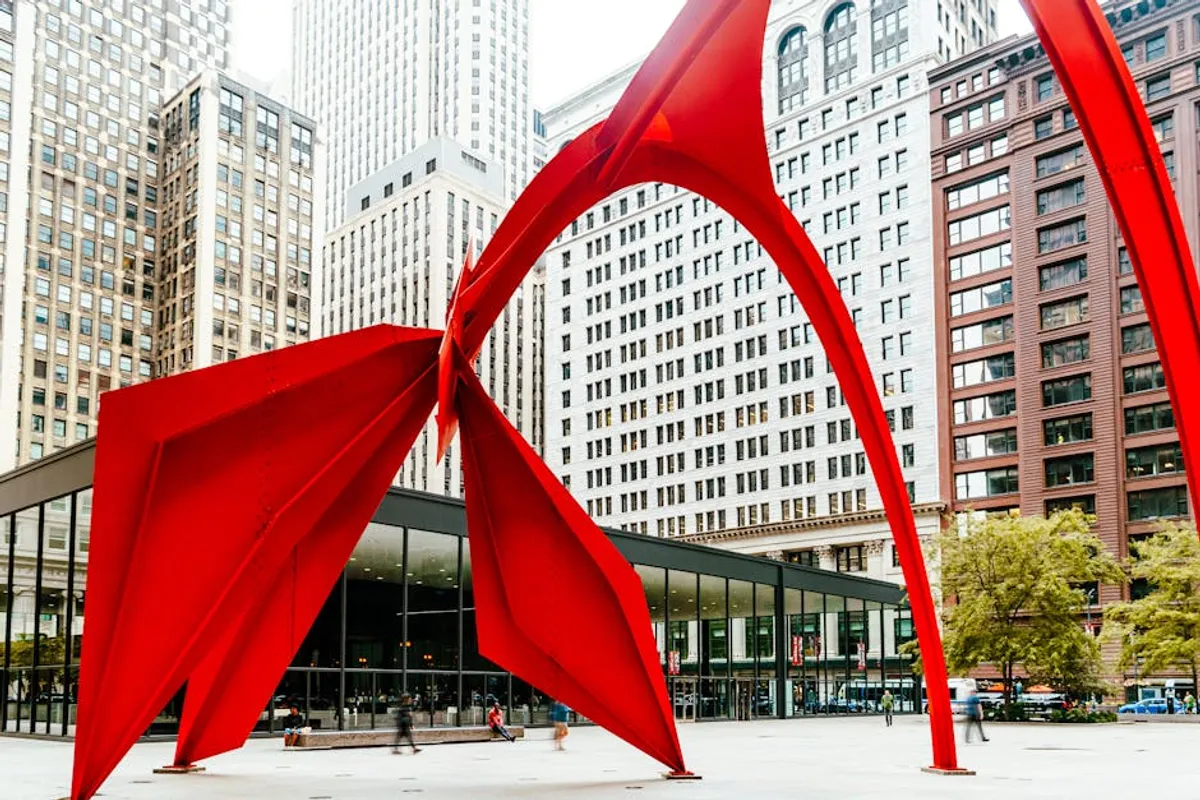
Public art transcends mere decoration, serving as a strategic investment capable of transforming overlooked urban areas into memorable destinations. For urban planners, real estate developers, and municipal agencies, understanding this dynamic is crucial. Deploying public art effectively means recognizing its power to shape perceptions, drive economic activity, and cultivate unique identities that resonate with both residents and visitors. This isn't about arbitrary embellishment; it's about leveraging creative expression to achieve concrete commercial and civic objectives.
Beyond Decoration: Public Art as an Economic Driver
The strategic integration of public art offers measurable returns that extend far beyond aesthetic appeal. It functions as a catalyst for urban regeneration, directly influencing foot traffic, investment, and the overall economic vitality of a district.
Increased Foot Traffic and Local Spending
Iconic public art installations act as powerful magnets, drawing visitors who might otherwise bypass a location. These installations become focal points for photography, social media sharing, and planned excursions. The immediate commercial benefit materializes as increased foot traffic translates into higher patronage for nearby retail, restaurants, and service-based businesses. For instance, a distinctive sculpture or mural can become a destination in itself, encouraging longer stays and greater local expenditure. This effect is particularly pronounced in areas aiming to revitalize or establish a distinct cultural quarter.
Real Estate Value and Investment
Public art contributes directly to placemaking, which in turn enhances property values. Developments situated near well-curated public art often command higher prices and rents, as the art contributes to a desirable, culturally rich environment. This creates a halo effect, signaling quality and forward-thinking urban design. Investors and developers increasingly recognize that integrating art into their projects or supporting art initiatives in surrounding areas can differentiate their offerings in a competitive market, attracting tenants and buyers willing to pay a premium for an elevated urban experience.
Brand Identity for Urban Areas
Cities and neighborhoods compete for talent, tourism, and investment. Public art provides a unique, visual shorthand for establishing a distinctive brand identity. A city known for its vibrant street art, monumental sculptures, or innovative digital installations develops a reputation that sets it apart. This brand identity is invaluable for marketing, attracting specific demographics, and fostering a sense of pride and belonging among residents. It moves a location from being "just another city" to a recognizable, culturally significant place on the global map.
Strategic Integration: Planning for Impact
To realize its full potential, public art requires careful planning, community engagement, and sustainable funding models. Haphazard installations rarely achieve the same transformative impact as those conceived within a comprehensive urban development strategy.
Site-Specific Commissions and Community Engagement
The most impactful public art is often site-specific, meaning it responds to the unique history, architecture, and social fabric of its location. Engaging local artists, community groups, and stakeholders during the commissioning process ensures that the art resonates with the existing environment and its inhabitants. This collaborative approach fosters ownership and reduces potential friction, leading to installations that are not only aesthetically pleasing but also culturally relevant and enduring. Ignoring community input risks creating art that feels imposed rather than integrated.
Funding Models and Sustainability
Funding public art can come from diverse sources, including municipal budgets, private donations, corporate sponsorships, and developer contributions (e.g., percentage for art programs). A sustainable funding model also accounts for long-term maintenance, conservation, and potential future programming around the art. Neglecting maintenance can quickly diminish an artwork's appeal and its ability to function as a landmark. Establishing clear responsibilities and dedicated budgets for upkeep is as critical as the initial acquisition or commission.
Pro Tip: When planning public art installations, prioritize durability and low-maintenance materials for outdoor pieces. Factor in environmental conditions like UV exposure, temperature fluctuations, and potential vandalism during the design phase. A robust maintenance plan, including regular cleaning and repair schedules, is essential to preserve the artwork's integrity and its long-term appeal as a landmark.
Types of Public Art and Their Landmark Potential
The spectrum of public art is broad, each type offering distinct opportunities to create landmarks. The choice depends on context, budget, and desired impact.
- Monumental Sculptures: Large-scale, often abstract or symbolic works that dominate their surroundings, becoming immediate identifiers for a location (e.g., Cloud Gate in Chicago).
- Murals and Street Art: Often vibrant and narrative, these can revitalize neglected facades, reflect local culture, and create open-air galleries that attract foot traffic (e.g., Wynwood Walls in Miami).
- Interactive and Digital Art: Installations that respond to movement, sound, or light, offering dynamic experiences that engage audiences directly and encourage repeat visits (e.g., permanent light installations on building exteriors).
- Functional Art: Public amenities like benches, bus shelters, or fountains designed with artistic intent, blending utility with aesthetic appeal to enhance daily urban life (e.g., creatively designed pedestrian bridges).
- Temporary Installations: While not permanent landmarks, these can generate significant buzz, test concepts, and attract visitors for specific periods, contributing to a dynamic cultural landscape.
Maximizing Public Art's Landmark Legacy
To ensure public art truly transforms ordinary streets into enduring landmarks, a strategic approach to its lifecycle is paramount. This involves not only careful selection and installation but also proactive management and promotion. Integrate public art into broader urban narratives and marketing campaigns to amplify its impact. Develop digital content, walking tours, and educational programs that highlight the art's significance and context. Foster partnerships with local businesses and tourism boards to cross-promote the art as a key attraction. Critically, establish robust preservation and conservation plans from the outset. A landmark piece of art is a long-term asset, and its value is sustained through diligent care, community engagement, and continuous storytelling.
Frequently Asked Questions
How does public art specifically increase property values?
Public art enhances an area's aesthetic appeal and cultural vibrancy, making it a more desirable place to live, work, and visit. This desirability translates into increased demand for real estate, allowing property owners to command higher prices and rental rates. Art-rich environments are often perceived as safer, more innovative, and higher-quality districts.
What are common funding sources for public art projects?
Funding typically comes from a mix of public and private sources. This includes municipal budgets, "percent for art" programs mandated for new developments, grants from arts councils and foundations, corporate sponsorships, individual philanthropy, and crowdfunding initiatives. Successful projects often leverage multiple funding streams.
How can communities ensure public art reflects local identity?
Effective community engagement is key. This involves forming art committees with local residents, artists, and historians, conducting public surveys, hosting workshops, and seeking input on themes, artists, and locations. Prioritizing local artists and narratives also helps ensure authenticity and relevance.
What role does maintenance play in public art's long-term success?
Consistent maintenance is critical for preserving the artwork's physical condition, aesthetic appeal, and public safety. Without proper care, art can deteriorate, become damaged, or lose its intended impact. A well-maintained piece retains its landmark status and continues to draw visitors, safeguarding the initial investment.