
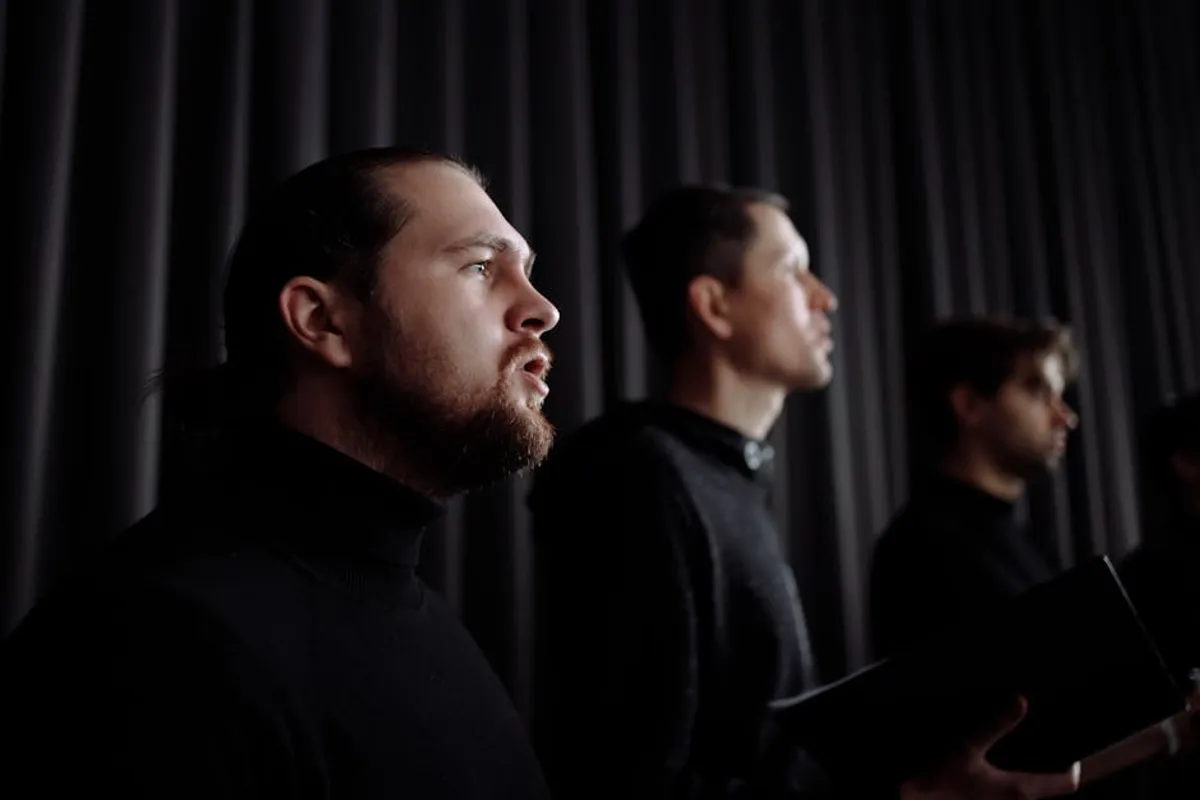
Choral music, often perceived as an artistic pursuit, functions as a powerful, underutilized mechanism for constructing and reinforcing community bonds and cultural identity. Beyond aesthetic enjoyment, organized group singing cultivates social cohesion, transmits heritage, and fosters a sense of belonging that is tangibly beneficial for civic health and cultural preservation. Understanding these structural impacts allows organizations and civic leaders to leverage choral programs not merely as entertainment, but as strategic investments in social capital and cultural continuity.
Fostering Social Cohesion and Belonging
The act of singing together requires precise coordination, active listening, and a shared commitment to a singular sonic outcome. This inherent collaborative demand translates directly into robust social cohesion among participants. Unlike many individualistic artistic endeavors, choral singing mandates interdependence; no single voice dominates, yet every voice is essential. This dynamic builds trust and mutual reliance, foundational elements of any strong community.
The Rehearsal Room as a Collaborative Space
Weekly rehearsals serve as consistent, structured social engagements. Participants commit to a regular schedule, fostering routine interaction that evolves into deeper personal connections. Within this space, individuals from diverse backgrounds—varying ages, professions, and socio-economic strata—converge on a common goal. The shared vulnerability of learning new music, perfecting harmonies, and overcoming technical challenges creates an environment of mutual support. This process naturally breaks down pre-existing social barriers, forming a micro-community where individual differences are subsumed by a collective artistic purpose. The discipline required for choral performance, from punctuality to vocal technique, reinforces shared values of commitment and excellence, which then ripple into broader community interactions.
Performance as Collective Expression and Validation
Public performances are the culmination of this collaborative effort, providing a visible, audible demonstration of unity and shared achievement. For the choir members, performing together generates a profound sense of collective pride and accomplishment, validating their sustained effort and reinforcing their bond. For the audience, a choir’s performance can evoke a shared emotional experience, creating a temporary, unified cultural moment. This collective expression strengthens the identity of both the performing group and the broader community it represents or entertains. These events often become focal points for community gathering, drawing diverse groups together to celebrate local talent and shared cultural values.
Cultivating Cultural Identity and Transmission
Choral music acts as a living archive and an active agent in cultural perpetuation and evolution. Through repertoire selection and performance contexts, choirs can both preserve historical traditions and articulate contemporary cultural narratives, solidifying a community's unique identity.
Preserving and Evolving Musical Traditions
Many choirs specialize in specific genres, such as folk songs, spirituals, classical works, or contemporary compositions. By performing these pieces, they ensure the continued existence and appreciation of musical heritage. A community choir singing local folk songs, for instance, directly transmits regional stories, linguistic nuances, and historical sentiments to new generations. This isn't mere recitation; each performance is an interpretation, allowing the tradition to breathe and adapt while retaining its core essence. Choirs also commission new works, actively contributing to the evolution of cultural expression, reflecting current societal concerns, and creating future heritage.
Reflecting Local Values and Narratives
The choice of repertoire and the themes explored through choral performances often mirror and reinforce a community's values, aspirations, and historical narrative. A choir performing pieces that commemorate local historical events or celebrate regional landscapes helps to solidify a collective memory and pride of place. Similarly, choirs can champion social causes, performing works that advocate for justice, peace, or environmental stewardship, thereby contributing to the cultural dialogue and reinforcing community ethics. This active engagement with local themes makes choral music a potent tool for cultural self-definition and affirmation.
Pro Tip: To maximize a choir's impact on community and cultural development, engage local historians, poets, and composers. Commissioning pieces that directly address specific local narratives, historical events, or unique community values ensures the music resonates deeply and authentically, transforming performances into powerful acts of cultural storytelling and preservation.
Educational and Developmental Impact
Participation in choral music extends beyond musical proficiency, cultivating a range of cognitive, social, and emotional skills that benefit individuals and, by extension, the community.
Skill Acquisition Beyond Music
Choral singing demands discipline, critical listening, pattern recognition, and an understanding of complex structures. Singers develop improved memory, concentration, and problem-solving abilities. Furthermore, the necessity of blending voices requires acute self-awareness and adjustment, fostering empathy and active listening skills—qualities invaluable in any collaborative setting. These transferable skills enhance individual capabilities, making participants more effective contributors in other civic and professional spheres.
Intergenerational Exchange and Mentorship
Many community choirs are inherently intergenerational, bringing together individuals from adolescence to retirement. This creates natural mentorship opportunities, where experienced singers guide newcomers, sharing not just musical knowledge but also life experience. Younger members gain access to diverse perspectives and historical context, while older members remain actively engaged and valued. This organic exchange strengthens social bonds across age demographics, counteracting societal trends towards age segregation and fostering a more integrated, resilient community fabric.
Key contributions of choral music to community and culture include:
- Enhancing civic participation through shared activities and public performances.
- Building social capital by fostering trust and networks among diverse groups.
- Improving mental well-being through creative expression and social connection.
- Promoting cross-cultural understanding via diverse repertoire and shared musical language.
- Stimulating local arts economies by creating performance opportunities and audience engagement.
Leveraging Choral Initiatives for Societal Enrichment
Recognizing the intrinsic value of choral music as a community and culture builder shifts its perception from a niche artistic pursuit to a vital social tool. For local governments, cultural institutions, and educational bodies, investing in or supporting choral programs offers a cost-effective method for achieving broader civic goals. This includes funding community choir initiatives, providing accessible rehearsal and performance spaces, and integrating choral performances into public events and educational curricula. By actively promoting and facilitating group singing, communities can intentionally cultivate stronger social bonds, preserve and evolve their unique cultural identities, and enrich the lives of their citizens through shared artistic endeavor.
Frequently Asked Questions
How does choral music differ from other group activities in building community?
Choral music uniquely blends individual discipline with collective artistic expression, demanding a high degree of non-verbal communication, empathy, and synchronous effort. This creates a deep, often subconscious, bond among participants that goes beyond the functional cooperation found in many other group activities, fostering emotional resonance and shared vulnerability.
Can any community benefit from a choir?
Yes, any community can benefit. The fundamental human capacity for singing and the universal appeal of music mean that choral programs can be adapted to diverse cultural contexts and skill levels. The benefits of social cohesion, cultural expression, and skill development are universally applicable, regardless of a community's size or demographic makeup.
What resources are needed to start a community choir?
Basic resources include a dedicated conductor, a suitable rehearsal space (often a school hall or community center), and a core group of enthusiastic singers. While sheet music and a piano are helpful, many choirs start with simpler arrangements or a cappella singing. The most critical resource is consistent leadership and a welcoming environment.
How does choral music contribute to cultural preservation?
Choral music preserves culture by performing historical works, folk songs, and traditional pieces that might otherwise fade from public consciousness. It acts as a living repository of musical heritage, language, and storytelling. Additionally, by commissioning new works, choirs ensure that contemporary cultural narratives are documented and shared through a powerful artistic medium, contributing to the ongoing evolution of culture.