
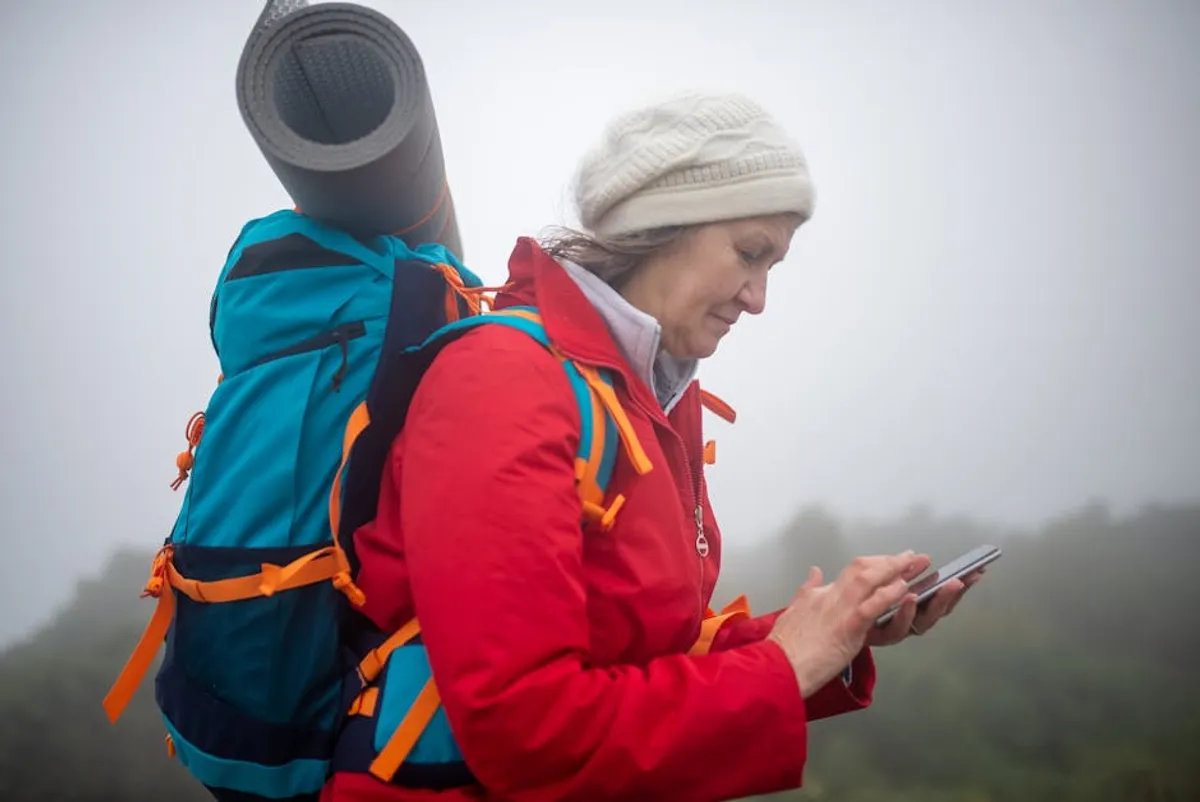
The Gobackpacking domain appears to operate as a content hub for individuals interested in budget-conscious, independent travel. Analyzing its search presence involves understanding how it attracts and serves an audience seeking practical advice, destination insights, and logistical guidance for extended journeys. This type of content domain often relies on a deep library of evergreen articles that address common traveler questions and planning stages, making its organic search performance a critical indicator of its reach and authority within the backpacking niche.
What Gobackpacking Appears to Cover
Gobackpacking’s content strategy seems to focus on comprehensive resources for independent travelers. The site publishes extensive guides on specific destinations, often detailing routes, local customs, budgeting, and transportation options. A significant portion of its content addresses practical aspects like gear selection, with articles often comparing different types of backpacks, clothing, and travel accessories. It also covers essential travel planning topics, including visa requirements, travel insurance, health precautions, and packing lists. Beyond logistics, the site delves into the philosophy of backpacking, offering advice on solo travel, cultural immersion, and managing finances while on the road. This includes content clusters around long-term travel, gap year planning, and responsible tourism practices. The editorial approach appears to prioritize detailed, experience-driven narratives that resonate with readers planning or undertaking extended trips.
Where Its Search Traffic May Come From
Organic search traffic for Gobackpacking likely originates from a mix of informational and commercially investigative queries. Informational searches would include long-tail phrases such as "best backpacking routes Southeast Asia," "how to budget for a year of travel," or "solo female travel safety tips." These queries indicate users seeking detailed answers and planning resources. Commercially investigative traffic could stem from searches like "lightweight travel backpack review," "travel insurance for long-term trips comparison," or "portable water filter for hiking." While not directly selling products, the site's content on gear and services often leads users to consider specific items, influencing purchase decisions. Navigational queries for "Gobackpacking" itself suggest brand recognition and users returning for specific information. The site's content depth across various regions and travel aspects allows it to capture traffic from a broad spectrum of niche keywords.
Search Intent Behind Gobackpacking
The primary search intent Gobackpacking targets is informational, catering to travelers in the early and mid-stages of planning. This audience is looking for reliable data, personal experiences, and actionable advice to inform their decisions. For instance, someone searching for "cost of living in Chiang Mai for backpackers" has a clear informational need that could lead them to a detailed budget guide on the site. Beyond pure information, there's a strong element of commercial investigation, especially around gear and services. Users might be comparing different travel insurance providers or researching the durability of specific hiking boots, relying on the site's content to inform their purchasing choices. The site also attracts users with a desire for inspiration and validation, seeking stories and tips from experienced backpackers to fuel their own travel aspirations.
Why Traffic May Rise or Fall
Gobackpacking’s organic traffic patterns are susceptible to several factors. Seasonal travel trends play a significant role; interest in certain destinations or types of trips fluctuates throughout the year, impacting search volume for related content. Major global events, such as travel restrictions or economic downturns, can cause sharp declines in traffic as overall travel intent diminishes. Conversely, a surge in interest for specific regions or travel styles can boost visibility for relevant articles. Algorithm updates from search engines are a constant variable; changes that prioritize fresh content, E-E-A-T (Experience, Expertise, Authoritativeness, Trustworthiness), or mobile-friendliness can significantly alter ranking positions. Competitive landscape shifts, with new travel blogs or established media sites entering specific niches, can also dilute traffic. Lastly, the consistent creation and updating of high-quality, relevant content are crucial for maintaining and growing visibility; stagnation often leads to decline.
How the Site Could Improve Organic Visibility
To enhance organic visibility, Gobackpacking could focus on several strategic areas. First, a content audit to identify and refresh outdated destination guides or gear reviews would be beneficial, ensuring accuracy and relevance. Expanding into emerging travel trends or less-covered destinations could capture new long-tail search demand. Developing more in-depth content clusters around specific themes, like "sustainable backpacking" or "digital nomad visas," could establish stronger topical authority. Implementing structured data markup for travel-related entities (e.g., destination, activity, review snippets) could improve how search engines interpret and display its content. Strengthening internal linking across related articles would help distribute authority and guide users deeper into the site. Furthermore, actively building external links from authoritative travel resources and forums would signal greater credibility to search engines. Finally, optimizing for mobile user experience and page load speed remains fundamental for broad audience reach.
What to Check Before Trusting Traffic Estimates
When evaluating third-party traffic estimates for a domain like Gobackpacking, it's crucial to understand their limitations. These figures are often projections based on keyword rankings and estimated search volumes, not direct analytics. They typically do not account for direct traffic, branded searches where users type the domain name directly, or traffic from social media and referral sources. Discrepancies can arise from varying keyword databases, different methodologies for calculating search volume, and the inability to precisely measure local or highly niche search queries. Therefore, while useful for directional insights and competitive analysis, these estimates should be viewed as approximations. A more accurate understanding requires access to the site's internal analytics, which provide a complete picture of user behavior, traffic sources, and conversion metrics.
FAQ
What kind of content does Gobackpacking primarily publish?
Gobackpacking primarily publishes detailed guides, tips, and personal narratives focused on independent, budget-friendly travel and backpacking, covering destinations, gear, planning, and travel experiences. Who is the target audience for Gobackpacking's content?
The target audience includes aspiring and experienced backpackers, long-term travelers, gap year planners, and individuals seeking practical advice for independent global exploration. How does Gobackpacking address travel safety?
The site addresses travel safety through articles offering advice on personal security, health precautions, travel insurance, and navigating different cultural contexts while on the road. Does Gobackpacking offer alternatives for travel planning?
Yes, Gobackpacking's content often includes comparisons of different travel styles, routes, gear options, and budget strategies, effectively presenting alternatives for various aspects of travel planning.