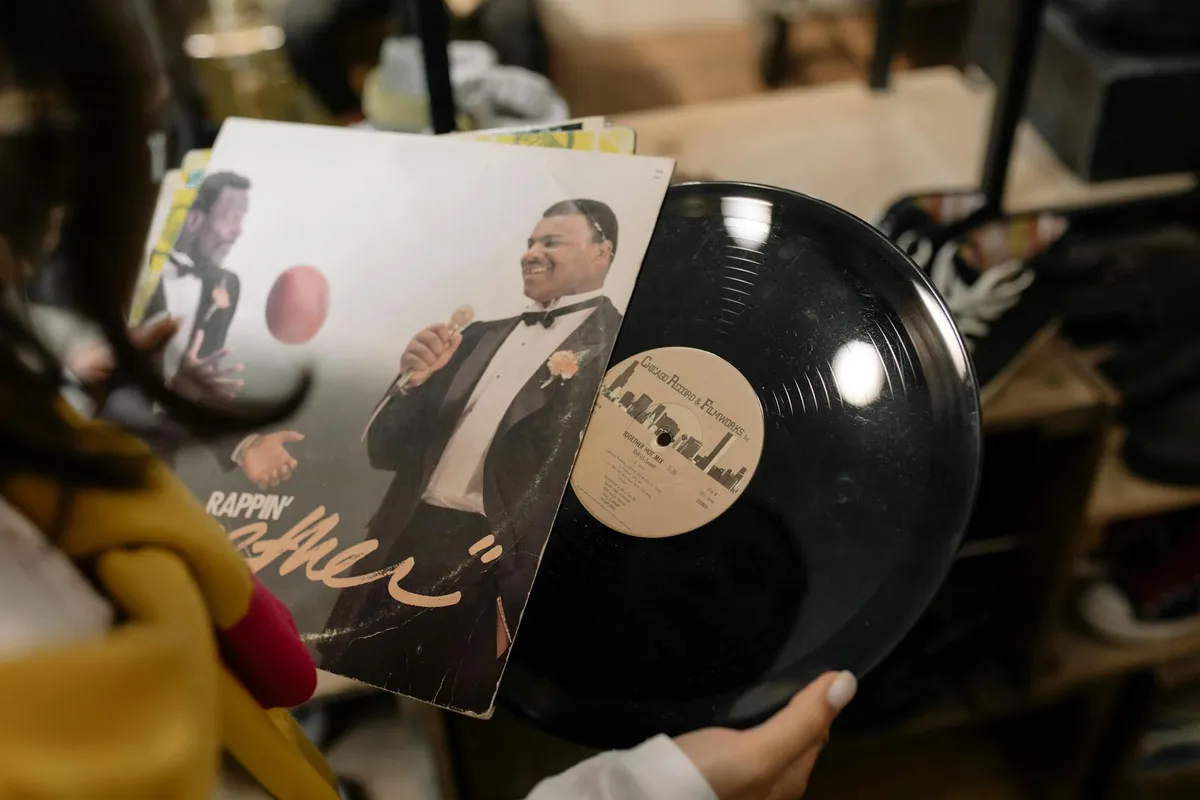
Some musical genres have influence disproportionate to their commercial visibility. Gospel music is one of these. Its commercial profile in 2026 is modest — it has dedicated fans but isn't pop-cultural in the way it once was. Its influence on subsequent popular music is enormous, however. Most of what we hear in contemporary R&B, soul, hip-hop, and even pop has roots that trace back through gospel to the choirs and church traditions of mid-20th century African American religious music.
This essay is about gospel music — what it produced, what its influence looks like in contemporary music, and why hearing it helps understand the music we listen to now.
What gospel did musically
Gospel music as it developed in the early-to-mid 20th century established several musical patterns that have proliferated through subsequent genres:
Vocal melisma and ornamentation. The runs, ornaments, and improvisational vocal flourishes that characterize contemporary R&B and pop singing have roots in gospel vocal traditions. The vocal techniques that Whitney Houston, Mariah Carey, Aretha Franklin, and countless contemporary singers use were developed and refined in gospel choirs.
Call-and-response structure. The lead-singer-and-chorus alternation that appears throughout R&B, soul, hip-hop, and contemporary gospel descends from the call-and-response patterns of African American spiritual and gospel traditions.
Emotional expressiveness. The intensity of vocal expression that characterizes gospel — the quality of singing as if the song matters more than anything else — became the model for emotional vocal performance in subsequent secular genres.
Specific harmonic patterns. Certain chord progressions, modal patterns, and harmonic devices developed in gospel music became standard vocabulary for soul, R&B, and adjacent genres.
Rhythmic feel. The specific way gospel rhythms emphasize certain beats and syncopate others influenced the rhythmic vocabulary of subsequent African American popular music.
The pathways of influence
The influence of gospel on subsequent popular music traveled through specific paths.
Direct singer transitions. Many of the major soul and R&B singers of the 1960s and 1970s came directly from gospel. Aretha Franklin grew up in her father's Detroit church. Sam Cooke transitioned from leading the Soul Stirrers to secular music. Marvin Gaye sang in church before signing with Motown. The vocal training and stylistic vocabulary they brought from gospel shaped the secular music they made.
The Civil Rights movement. The role of gospel in the civil rights movement made the music more visible to broader audiences. The same songs were heard in churches, in marches, on radio, and on records. The cultural moment expanded gospel's reach.
Production approaches. Producers like Quincy Jones brought gospel sensibilities to pop production. The vocal arrangements, the harmonic choices, the rhythmic feel — gospel approaches embedded in mainstream pop production.
Cross-genre artists. Artists like Stevie Wonder, who could move between gospel, R&B, jazz, and pop, helped make gospel sensibilities part of broader popular music vocabulary.
Hip-hop sampling. The hip-hop tradition of sampling brought gospel records (and gospel-influenced soul records) into hip-hop production. Artists hearing the gospel samples in hip-hop tracks were learning gospel's musical patterns even when they didn't realize it.
Specific records to hear
For listeners wanting to engage with gospel music itself, certain records reward attention:
Mahalia Jackson — anything from her Columbia recordings. The most-celebrated gospel singer of the 20th century. Her vocal authority and spiritual presence are unmatched. Start with the Columbia recordings of the 1950s.
The Soul Stirrers (with Sam Cooke). The pre-secular Sam Cooke recordings with the Soul Stirrers show his vocal development before he transitioned to pop.
Sister Rosetta Tharpe — anything from her major recordings. The guitarist and singer who influenced rock and roll directly. Many of the rock guitar techniques attributed to later artists trace back to her.
Aretha Franklin — Amazing Grace. The 1972 live recording at New Temple Missionary Baptist Church. Aretha returning to gospel at the peak of her secular career. One of the great recordings of any genre.
The Caravans, The Davis Sisters, The Roberta Martin Singers. The vocal groups of mid-20th century gospel that established many of the harmonic and arrangement patterns subsequent genres adopted.
Andraé Crouch — anything from his major recordings. The bridge between traditional gospel and contemporary Christian/gospel music. His arrangements influenced subsequent gospel and pop arrangements.
Kirk Franklin — Stomp. Contemporary gospel that engages with R&B and hip-hop production while maintaining gospel content. Demonstrates the genre's continued evolution.
What hearing gospel reveals about contemporary music
Listening to gospel music with attention reveals patterns in subsequent music that aren't obvious without the gospel context.
The vocal moves that contemporary R&B and pop singers do — the runs, the ornamentation, the dynamic contrast, the emotional intensity — sound like they came from somewhere when you've heard gospel. The patterns weren't invented by Mariah Carey or Beyoncé; they're part of a tradition that those singers were drawing from.
The harmonic moves in much of contemporary R&B are recognizable as gospel-derived once you've heard the gospel originals. The chord progressions that feel familiar in pop music often have roots in gospel hymns and arrangements.
The way vocal arrangements work — the relationships between lead and backing vocals, the layering, the call-and-response — has gospel structure beneath it.
This isn't to say contemporary artists are merely deriving from gospel. They're extending and transforming the tradition. But hearing the source helps clarify what the contemporary music is doing and why it sounds the way it does.
The case for engaging with source genres generally
Gospel's relationship to subsequent popular music is one example of a broader pattern. Most contemporary genres have source genres that shaped them. Hearing the sources clarifies the contemporary work.
Hip-hop without engaging with funk, soul, and jazz is missing context. Modern country without engaging with bluegrass and traditional country is incomplete. Indie rock without engaging with the punk and post-punk traditions is missing foundations.
The work of engaging with source genres is rewarding. The contemporary music gets more interesting when its sources are audible. The historical music gets more relevant when its influence is recognized.
For listeners interested in deepening their relationship with music generally, source-genre study is among the most-rewarding practices. Pick a contemporary genre you care about. Identify its sources. Listen to the source records seriously. The contemporary music will sound different — richer, more contextualized, more interesting.
The accessibility of gospel
Gospel music is accessible to listeners regardless of religious background. The music can be appreciated as music whether or not the listener engages with the religious content. The vocal traditions, the harmonic vocabulary, the emotional intensity — these are musical achievements that don't require religious commitment to experience.
Some listeners find the religious content adds to the experience even if they don't share the beliefs; some find it neutral; some find it a barrier. The variety of responses is fine. The music itself is worth hearing regardless of how the religious content lands.
The closing observation
Gospel music has shaped most contemporary popular music more than its commercial profile suggests. The vocal traditions, harmonic vocabulary, rhythmic feel, and emotional approach that characterize contemporary R&B, soul, hip-hop, and pop have roots that trace back through gospel.
For listeners interested in understanding contemporary music more deeply, engaging with gospel as source music is rewarding. The records are accessible; the influence is enormous; the listening experience itself is valuable.
Start with Mahalia Jackson or Aretha Franklin's Amazing Grace. The music will repay the attention. The contemporary music you already love will sound different in helpful ways once the gospel context is in your ear.