
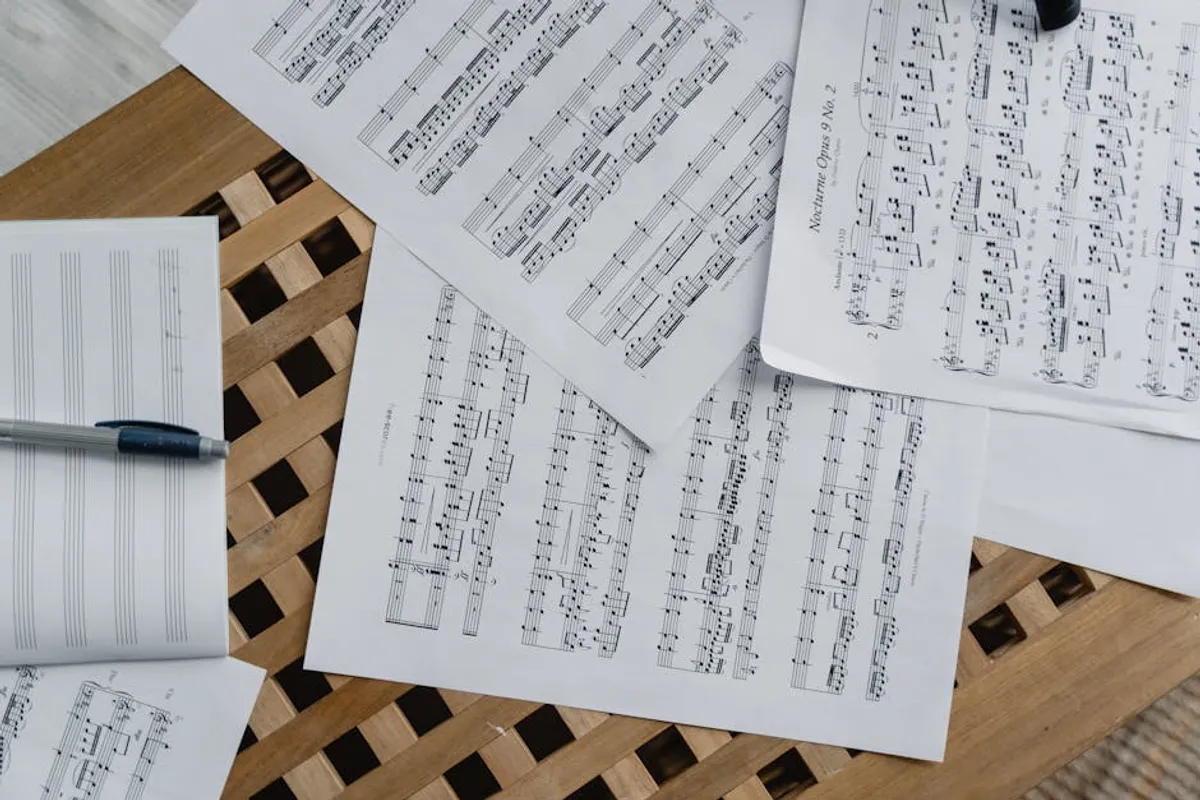
Engaging with music deeply often involves understanding its origins and the foundational figures who shaped its evolution. For any music lover, recognizing the architects behind Western classical music isn't merely an academic exercise; it's a direct pathway to richer listening experiences, informed appreciation, and a clearer grasp of how musical ideas develop and influence one another across centuries. This curated overview identifies composers whose innovations, stylistic signatures, and enduring works have left an indelible mark, providing a framework for exploring the vast landscape of classical music with purpose.
The Baroque Era: Foundations of Form and Ornamentation
The Baroque period (roughly 1600-1750) is characterized by ornate detail, dramatic contrasts, and a focus on counterpoint and basso continuo. Composers of this era established many of the forms and harmonic principles that would underpin Western music for centuries.
Johann Sebastian Bach: The Architect of Counterpoint
Bach's work represents the pinnacle of Baroque polyphony. His compositions are renowned for their intricate counterpoint, where multiple independent melodic lines interweave, creating a dense yet logical texture. His mastery of fugal form, evident in works like The Well-Tempered Clavier, showcases a profound understanding of harmonic progression and melodic development. Bach's influence extends beyond his era; composers from Mozart to Schoenberg have studied his scores for their structural integrity and expressive depth. His output, spanning sacred cantatas, orchestral suites, and solo instrumental pieces, provides a comprehensive lesson in musical construction.
Key contributions: Unparalleled harmonic complexity, structural integrity, mastery of fugue and counterpoint.
George Frideric Handel: Master of Dramatic Expression
Handel, a contemporary of Bach, achieved widespread fame for his operas and oratorios, particularly Messiah. His music often possesses a directness and melodic accessibility that contrasts with Bach's intellectual rigor. Handel's dramatic flair, evident in his use of chorus and solo voices, captivated audiences and established conventions for large-scale vocal works. His ability to craft memorable tunes and build theatrical tension made his compositions highly popular, demonstrating a commercial acumen alongside his artistic genius.
Key contributions: Melodic accessibility, theatrical grandeur, influential oratorios and operas.
The Classical Era: Elegance, Balance, and Innovation
Emerging in the mid-18th century, the Classical period (roughly 1750-1820) emphasized clarity, balance, and formal structure, moving away from the Baroque's complexity. The symphony, sonata, and string quartet became central forms.
Wolfgang Amadeus Mozart: The Prolific Genius
Mozart's output across every major genre of his time is staggering, both in volume and consistent quality. His music is characterized by effortless melodic invention, transparent textures, and a profound dramatic sensibility, particularly in his operas like The Marriage of Figaro and Don Giovanni. He refined the concerto form, balancing solo virtuosity with orchestral interplay, and imbued his symphonies with emotional depth while maintaining Classical elegance. Mozart's ability to convey complex human emotions with apparent simplicity remains a hallmark of his genius.
Key contributions: Prolific output, melodic invention, dramatic nuance, refinement of classical forms.
Ludwig van Beethoven: Bridging Eras with Emotion
Beethoven stands as a pivotal figure, straddling the Classical and Romantic eras. While initially rooted in Classical forms, he expanded their scope and emotional intensity, pushing the boundaries of musical expression. His symphonies, particularly the "Eroica" (No. 3), Fifth, and Ninth, are monumental works that transformed the genre, introducing unprecedented dramatic narratives and emotional power. Beethoven's use of sudden dynamic shifts, thematic development, and harmonic adventurousness laid the groundwork for Romanticism, fundamentally altering the role of the composer from craftsman to visionary artist.
Key contributions: Transformed classical forms, intense emotional expression, expanded orchestral scope, pioneer of Romanticism.
The Romantic Era: Passion, Nationalism, and Virtuosity
The Romantic period (roughly 1820-1910) prioritized emotion, individualism, and a fascination with nature, the supernatural, and nationalism. Composers explored richer harmonies, expanded orchestral palettes, and developed new forms like the tone poem.
Frédéric Chopin: The Poet of the Piano
Chopin dedicated his genius almost exclusively to the piano, elevating it to an unprecedented level of expressive capability. His nocturnes, polonaises, mazurkas, and ballades are characterized by lyrical melodies, sophisticated harmonies, and a distinctive use of rubato (flexible tempo). Chopin's music often evokes a sense of introspection, melancholy, and Polish national identity, making him a unique voice in the Romantic landscape. His compositions demand both technical brilliance and profound musicality from performers.
Key contributions: Elevated piano as a solo instrument, distinctive harmonic language, Polish nationalism, lyrical and virtuosic piano works.
Pyotr Ilyich Tchaikovsky: Grandeur and Emotional Sweep
Tchaikovsky is celebrated for his lush orchestration, memorable melodies, and dramatic narrative ability, particularly evident in his ballets (Swan Lake, The Nutcracker, Sleeping Beauty) and symphonies. His music often conveys a sense of profound emotion, from soaring joy to poignant despair, resonating deeply with audiences. Tchaikovsky's ability to craft iconic themes and weave them into compelling musical narratives has ensured his enduring popularity and influence on film scores and popular culture.
Key contributions: Iconic melodies, rich orchestration, dramatic narrative, influential ballets and symphonies.
The Modern Era: Breaking Tradition and Exploring New Soundscapes
The 20th century saw a radical departure from traditional tonality and forms, with composers experimenting with dissonance, rhythm, and new sonic possibilities.
Igor Stravinsky: Rhythmic Innovation and Primitivism
Stravinsky's early ballets, particularly The Rite of Spring, revolutionized music with their unprecedented rhythmic complexity, dissonance, and raw energy. He challenged conventional notions of meter and harmony, creating a visceral, often shocking, sound world. Stravinsky's influence on 20th-century music is immense, pushing composers to explore new rhythmic structures and redefine the role of dissonance. His work marked a decisive break from Romanticism, ushering in a new era of musical experimentation.
Key contributions: Revolutionary rhythmic complexity, dissonance, redefined ballet music, modernist aesthetic.
Claude Debussy: Impressionism in Sound
Debussy is often associated with musical Impressionism, characterized by atmospheric textures, evocative harmonies, and a focus on mood and color rather than traditional narrative or strict form. Works like Préludes and La Mer employ whole-tone scales, parallel chords, and ambiguous tonality to create a shimmering, dreamlike quality. Debussy's approach to sound profoundly influenced subsequent generations, encouraging composers to explore new sonic palettes and move beyond the confines of traditional Western harmony.
Key contributions: Evocative harmonies, atmospheric textures, moved away from traditional tonality, musical Impressionism.
Pro Tip: When exploring these composers, actively listen for their distinctive musical signatures. Pay attention to how Bach builds layers of melody, how Mozart crafts a balanced phrase, or how Beethoven develops a simple motif into a grand statement. Contextualize their works by understanding the historical and cultural backdrop; this often reveals deeper meaning in their creative choices.
Essential Works for Initial Exploration
To begin your journey with these composers, consider these entry points:
- Johann Sebastian Bach: Brandenburg Concertos (Nos. 2 & 5), Cello Suites (Nos. 1 & 3), Toccata and Fugue in D minor.
- George Frideric Handel: Messiah (especially the "Hallelujah" chorus), Water Music, Music for the Royal Fireworks.
- Wolfgang Amadeus Mozart: Symphony No. 40 in G minor, Eine kleine Nachtmusik, Piano Concerto No. 21, Overture to The Marriage of Figaro.
- Ludwig van Beethoven: Symphony No. 5 in C minor, Symphony No. 9 in D minor (4th movement), Piano Sonata No. 14 "Moonlight".
- Frédéric Chopin: Nocturne in E-flat Major Op. 9 No. 2, Polonaise in A-flat Major Op. 53 "Heroic", Ballade No. 1 in G minor.
- Pyotr Ilyich Tchaikovsky: Swan Lake Suite, The Nutcracker Suite, Piano Concerto No. 1 in B-flat minor, Symphony No. 6 "Pathétique".
- Igor Stravinsky: The Rite of Spring, The Firebird Suite, Petrushka.
- Claude Debussy: Clair de lune, Prélude à l'après-midi d'un faune, La Mer.
Deepening Your Musical Appreciation
Understanding these foundational composers provides more than just historical knowledge; it equips music lovers with a critical lens for appreciating the vast and varied landscape of classical music. Each composer represents a distinct voice and a pivotal moment in musical evolution. By engaging with their core works, you gain insight into the development of harmony, form, orchestration, and emotional expression, enabling you to trace influences and recognize innovations in subsequent compositions. This structured approach to listening transforms passive enjoyment into an active, informed exploration, enhancing the overall musical experience.
Frequently Asked Questions
Who is considered the most influential composer in classical music?
While subjective, Johann Sebastian Bach and Ludwig van Beethoven are consistently cited as the most influential. Bach's contrapuntal mastery and harmonic sophistication laid fundamental groundwork, while Beethoven's expansion of form and emotional intensity profoundly shaped the Romantic era and beyond.
How should a beginner approach listening to classical music?
Start with well-known, accessible pieces from different eras to discover what resonates with you. Focus on one composer or a specific period at a time to grasp their unique style. Active listening, where you pay attention to melody, rhythm, and instrumentation, enhances appreciation. Don't be afraid to revisit pieces; familiarity often reveals new layers.
Are there important female composers that music lovers should know?
Absolutely. Historically, many female composers were overlooked, but their contributions are increasingly recognized. Key figures include Clara Schumann (Romantic era, known for piano works and lieder), Hildegard von Bingen (medieval, mystic, composer of sacred monophony), and Florence Price (20th century, first African American woman to have a symphony performed by a major orchestra).
What is the primary difference between Baroque, Classical, and Romantic music?
Baroque music (Bach, Handel) is characterized by intricate counterpoint, dramatic ornamentation, and a focus on contrast. Classical music (Mozart, early Beethoven) emphasizes clarity, balance, formal structure, and elegant melodies. Romantic music (Chopin, Tchaikovsky, later Beethoven) prioritizes emotion, individualism, expanded harmony, and often a programmatic or narrative quality.