Most concerts I've been to have faded from clear memory within weeks. The setlists blur together; the visual details lose specificity; the experience becomes a vague positive impression rather than something specific I can describe. The exceptions are rare. A small number of concerts I attended years ago I can still describe in detail, and the memory of them affects how I think about live music generally.
This is about one of those concerts. What made it different from the dozens of others I've forgotten, what I've come to think distinguishes the rare durable concert experience from the ordinary one, and what it suggests about why we go to live music at all.
The concert
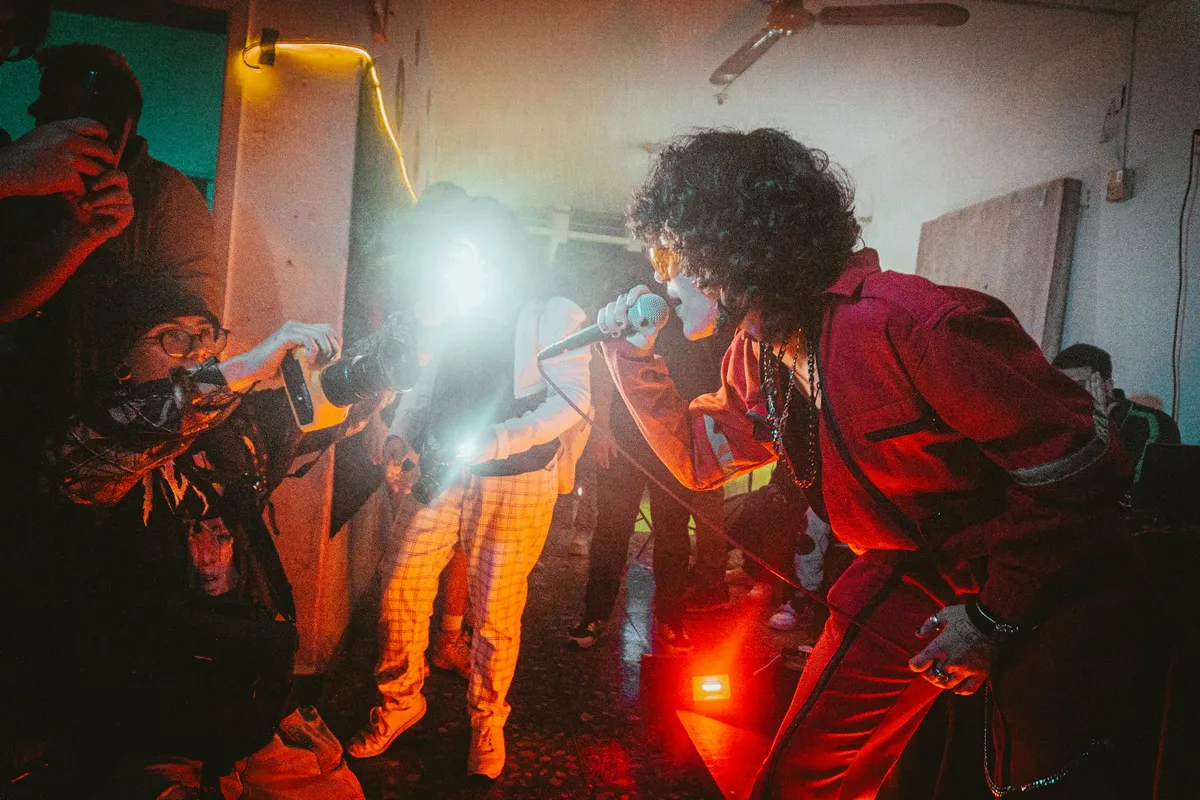
April of last year. Big Thief at a relatively small venue (capacity around 1,200) in the city where I live. I'd seen them before at a much larger venue and had been disappointed — the songs that work in intimate listening felt overwhelmed by the festival-scale staging and the audience that was treating them as background to socializing.
The smaller venue was different from the first moments. The room was full but quiet. The audience knew what they were there for. The opening acts were good and attended to. By the time Big Thief started, the room had the focused attention that intimate music needs.
The set was about ninety minutes. I've forgotten the exact setlist. What I remember:
- The way the songs that work in headphones translated to the room. Songs I'd only heard on records turned out to be even more affecting live, because the band wasn't trying to make them bigger than they are.
- The audience's collective attention during the quietest moments. The room held its breath through entire songs. The discipline of the audience was as much part of the experience as the band's performance.
- A specific moment during "Shoulders" when Adrianne Lenker's voice pushed past where I'd ever heard her go on the recording. The hair on my arms stood up. I've thought about that specific moment many times since.
- The encore — a quiet song that ended without applause for a few seconds before the audience could respond. The silence held; the moment finished; then the appreciation came. The pacing was right.
I left the venue without speaking for several blocks. The friend I went with felt the same. We didn't talk much that night about what we'd seen; some experiences resist immediate processing.
Why I think it stuck
I've been to better-known concerts that didn't stick. Bigger artists, bigger venues, more dramatic productions. Those concerts faded; this one didn't. The reasons, on reflection:
The room and the music were matched. Big Thief's music depends on dynamic range — quiet moments that rely on attention, louder moments that earn their volume by contrast. The smaller venue let the dynamic range function. Larger venues flatten this dynamic; the quiet moments lose their effect because the room can't support them.
The audience was right. An audience that's there for the music versus an audience that's there for the social experience produces completely different concerts. The audience that night was there for the music. Their attention amplified the band's performance.
The band was at their level. Live performances vary even from skilled artists. That night the band was on. Whether for technical reasons or some quality of energy that's hard to specify, they were performing at their highest level.
The arrangement of all three. Any one of these can produce a good concert; the combination produces an exceptional one. Most concerts have one or two of these working; few have all three at the same time.
What I've come to think distinguishes durable concerts
Reflecting on the concerts that have stuck with me across years versus the ones that haven't, several patterns:
1. Scale matters more than people acknowledge. The concerts I remember most clearly have all been in venues under 2,000 capacity. The mass-scale shows can be good, but they produce different experiences that fade differently. Intimate music demands intimate venues; the demand isn't ideological, it's practical.
2. Audience quality shapes experience. An attentive audience produces a different concert than a distracted one, even from the same band on the same night. The festival audience is different from the dedicated-fan audience. The seated venue is different from the standing one. The concerts I remember had audiences that brought their attention.
3. Specific moments matter more than general impressions. The concerts that stuck have specific moments I can describe — a particular song that landed, a vocal moment, an instrumental passage. The concerts that faded are remembered as general impressions. Specific memories survive; general impressions don't.
4. Lower expectations help. Two of my most-memorable concerts were artists I went to see somewhat reluctantly. The high expectations for major shows often produce disappointment; the lower expectations for smaller shows often produce surprise. The surprise sticks better than fulfillment of high expectations.
5. Context affects encoding. Concerts I attended during emotionally significant periods of my life are more memorable than concerts during quiet periods. The brain encodes more deeply when surrounding context is significant. This isn't about the music itself; it's about how memory works.
The implications for how to attend concerts
If concerts that stick share these features, the strategy for getting more memorable concert experiences:
Prioritize smaller venues. The mass-scale shows have their own value but rarely produce durable memories. The smaller venue concerts where the music can actually work intimately are the more-likely sources of memorable experiences.
Attend with focused attention. Phones away. Drinks moderate. Position to actually see and hear. The discipline pays off in what you experience and what you remember.
See artists you respect rather than artists who are trending. The concerts I remember are the ones where I cared deeply about the artist. The trending-artist shows often disappoint regardless of the artist's actual quality.
Don't over-attend. Going to many concerts can make each one less memorable. Better to go to fewer with full attention than many with diluted attention.
Trust the smaller venues. The intimate venues that book interesting artists are often the source of the best concert experiences. Major arenas are reliable for entertainment; smaller venues are reliable for memory.
The case for live music
Streaming has made recorded music more accessible than ever. Live music remains valuable specifically because it can't be replicated through recordings. The room, the band's presence, the specific night, the audience's contribution — these produce experiences that recorded music cannot match.
The concerts worth attending are the ones where these specifically-live qualities are accessible. The mass-scale productions sometimes optimize away the qualities that make live music valuable; the intimate shows usually preserve them.
For listeners who care about music, attending live shows in venues that support the music well is among the most-rewarding musical practices available. The specific concerts I remember most are the ones I built deliberate effort around. The memory rewards the effort.
The closing observation
Most concerts fade. A few stay. The ones that stay share characteristics — appropriate venue, attentive audience, band at their level, specific memorable moments. Knowing this can shape choices about which concerts to attend and how to attend them.
The Big Thief show last April is one I expect to remember for years. Other concerts since have faded. The selection criteria — small venue, dedicated audience, artist I cared about deeply — produced an experience the larger shows haven't matched.
Worth being deliberate about live music. The attention pays off in experiences that recorded music can't replace.