
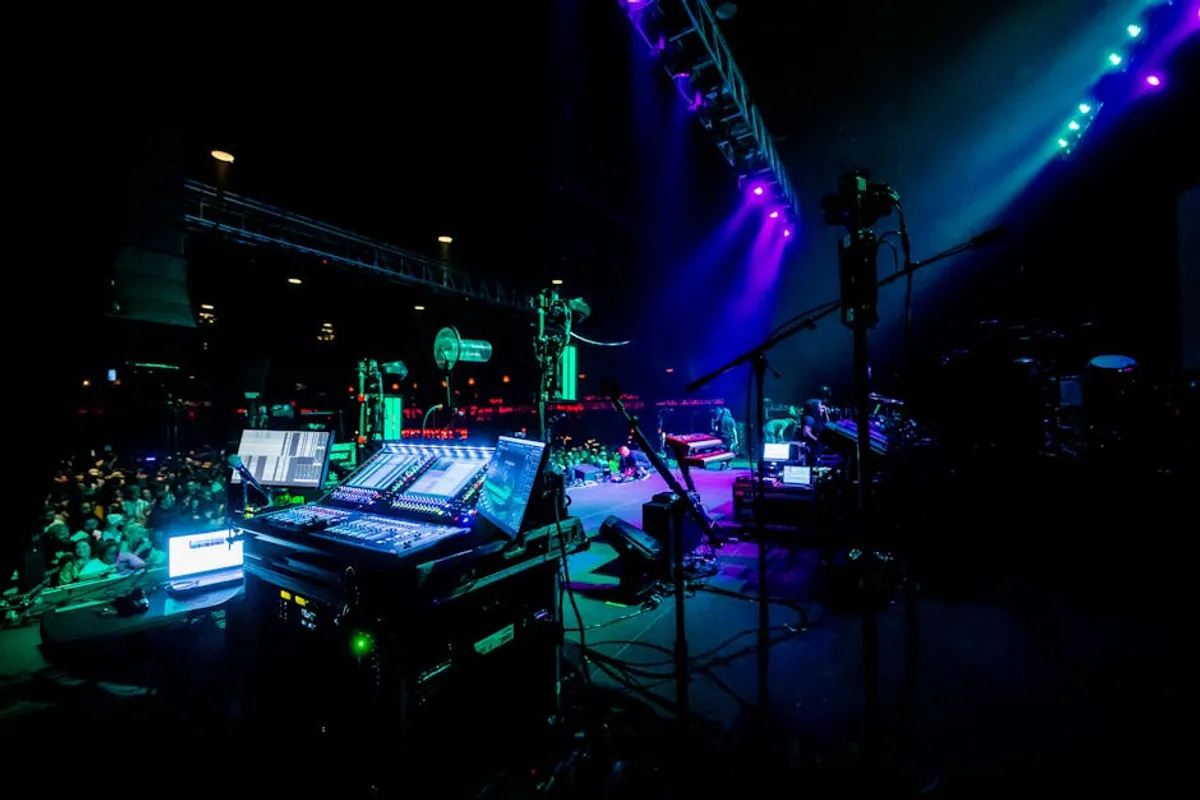
Developing a compelling concert program for a choir involves more than simply selecting a collection of pieces. It requires strategic curation to engage audiences, showcase vocal talent, and create a cohesive artistic statement. The goal is to transform a sequence of songs into a memorable experience that resonates with listeners, encourages repeat attendance, and reinforces the choir's artistic identity. This requires considering not just musical quality, but also thematic unity, audience accessibility, and practical execution.
Thematic Program Development
Thematic programming provides a narrative backbone for a concert, guiding both the performers and the audience through a shared experience. A well-chosen theme can elevate individual pieces by placing them within a larger context, enhancing emotional impact and intellectual engagement.
Seasonal & Holiday Themes
Leveraging seasonal or holiday themes offers immediate audience recognition and emotional connection. These programs capitalize on existing cultural associations, making marketing efforts more direct. For example:
- Winter Solstice & Light: Programs exploring themes of darkness, light, hope, and renewal. This resonates with audiences during colder months and offers a broad repertoire from ancient carols to contemporary commissions.
- Spring Awakening & Rebirth: Music celebrating nature, new beginnings, and growth. This theme allows for diverse selections, from madrigals to modern choral works, and aligns with post-winter optimism, attracting patrons seeking uplift.
- Patriotic & Heritage Celebrations: Concerts timed around national holidays or cultural heritage months. These programs foster community pride and can draw specific demographic groups with an interest in their cultural musical traditions.
Justification: Familiarity reduces cognitive load for the audience, allowing deeper emotional immersion. It also simplifies marketing by tapping into established cultural calendars and public sentiment.
Historical & Cultural Journeys
Programs designed as historical or cultural surveys offer educational value alongside artistic enjoyment. They appeal to audiences interested in music history, ethnomusicology, or specific cultural expressions.
- Chronological Eras: Tracing the evolution of choral music from Renaissance polyphony to 21st-century compositions. This demonstrates the choir's versatility and provides a structured learning experience for listeners.
- Regional or National Focus: Showcasing folk songs, traditional hymns, or art music from a specific country or region. This can introduce audiences to unfamiliar yet rich musical traditions, broadening their cultural horizons.
- Music of a Specific Movement: Exploring works from a particular artistic movement, such as Romanticism, Impressionism, or Minimalism. This allows for a deep dive into stylistic characteristics and intellectual currents.
Justification: These programs attract patrons seeking cultural enrichment and intellectual engagement. They also allow the choir to demonstrate scholarly depth and performance mastery across diverse styles.
Narrative & Storytelling Programs
Concerts built around a clear narrative or literary work can create a highly immersive experience, drawing the audience into a story through music.
Example: A program based on a classic poem cycle, a mythological tale, or even a contemporary short story. Each piece or set of pieces contributes to the unfolding narrative, with spoken word or visual elements often integrated to bridge musical sections.
Justification: Storytelling provides a clear emotional arc, making the concert more accessible and memorable. It encourages active listening as the audience follows the plot, potentially attracting those who appreciate interdisciplinary art forms.
Genre & Style Exploration
Moving beyond traditional choral repertoire can broaden a choir's appeal and challenge its members, fostering artistic growth and attracting new audience segments.
Crossover & Fusion Programs
Combining classical choral traditions with other genres—jazz, pop, world music, or gospel—can attract a wider, more diverse audience. These programs demonstrate versatility and a willingness to innovate.
Considerations: Ensure arrangements maintain vocal integrity and musical quality. Collaborations with instrumentalists or guest vocalists from other genres can enhance authenticity and appeal.
Justification: Broadens market reach beyond traditional classical music enthusiasts, potentially attracting younger demographics and those new to choral music. It positions the choir as dynamic and forward-thinking.
Composer Spotlights & Deep Dives
Dedicating a program to the works of one or two composers, exploring their range and development, offers a cohesive artistic statement and a profound look into a specific musical mind.
Benefit: This approach allows for a nuanced interpretation of a composer's style, demonstrating the choir's interpretive depth and providing a rich educational experience for the audience. It can also be paired with biographical elements in program notes or spoken introductions.
Justification: Provides a strong artistic identity for the concert, appealing to serious music lovers. It showcases the choir's ability to master a specific stylistic idiom, enhancing its reputation for musical scholarship and performance.
A Cappella & Vocal Ensemble Focus
Programs entirely devoted to a cappella music highlight the purity of the human voice and the intricate textures achievable without instrumental accompaniment. This can range from Renaissance motets to contemporary vocal jazz arrangements.
Emphasis: Focus on impeccable blend, intonation, and rhythmic precision. These programs often feature smaller ensembles or sections of the choir, allowing for greater transparency and individual vocal expression.
Justification: Showcases the choir's technical prowess and vocal artistry, appealing to audiophiles and those who appreciate the unadorned beauty of the human voice. It can also be more cost-effective by eliminating instrumentalists.
Practical Program Structuring & Enhancement
Beyond the core musical selections, how a program is structured and presented significantly impacts the audience experience.
Integrating Spoken Word & Multimedia
Adding elements like poetry readings, historical narrations, or visual projections can deepen thematic clarity and provide additional sensory engagement. This is particularly effective for abstract themes or historical surveys.
Practicality: Spoken word offers vocal breaks for the choir, while multimedia can enhance the ambiance of the venue and provide visual cues, particularly in larger spaces.
Justification: Enhances accessibility for complex themes, offers variety in presentation, and can provide context that enriches the musical experience, appealing to audiences who appreciate multi-sensory performances.
Collaborative Performances
Featuring instrumentalists, dancers, or guest artists adds variety, expands musical textures, and can attract new audience segments through cross-promotion with partner organizations.
Considerations: Ensure seamless integration and mutual artistic benefit. Guest artists should complement the choir's sound and the program's theme, not overshadow it.
Justification: Increases production value, offers new sonic palettes, and expands marketing reach by leveraging the networks of collaborators, potentially boosting ticket sales.
Audience Participation Elements
Including a sing-along, an interactive piece, or even a brief Q&A session can foster a sense of community and make the concert more memorable. This works well for holiday programs or community-focused events.
Pro Tip:
A common pitfall in program design is over-programming. An ideal concert duration, including intermission, rarely exceeds 90-100 minutes. Longer programs risk audience fatigue, diminishing the impact of later pieces and potentially discouraging future attendance. Prioritize quality and pacing over quantity.
Justification: Creates a more engaging and personal experience, transforming passive listeners into active participants. This can build loyalty and positive word-of-mouth, enhancing future attendance.
Crafting a Memorable Concert Experience
A successful concert program is meticulously planned from the first note to the final applause. Consider the emotional arc of the entire performance. Begin with an engaging opener, build through varied selections, provide an impactful centerpiece, and conclude with a strong, satisfying finish. Thoughtful program notes, clear staging, and appropriate lighting also contribute to the overall impact, ensuring that the audience leaves with a lasting positive impression.
Effective Program Design for Choirs
Ultimately, designing an effective concert program for a choir involves a blend of artistic vision and practical considerations. By focusing on thematic coherence, audience engagement, and strategic presentation, choirs can create performances that not only showcase their musical abilities but also build a loyal following and sustain their artistic mission. Prioritize clarity in your theme, balance familiar works with new discoveries, and always consider the overall flow and impact on your audience.
Frequently Asked Questions
How long should a typical choir concert be?
Most choir concerts, including an intermission, should aim for a total duration of 75 to 100 minutes. This length generally maintains audience engagement without causing fatigue.
How do I choose music that fits a specific theme?
Start by brainstorming keywords related to your theme. Research pieces that explicitly mention these concepts or evoke the desired mood. Consider historical context, text sources, and the composer's intent to ensure a strong thematic connection.
Should every concert have an intermission?
For concerts exceeding 60 minutes, an intermission is highly recommended. It provides a natural break for the audience, allows for socializing, and offers a moment for the choir to rest and refocus, improving the quality of the second half.
How can we make program notes more engaging?
Beyond basic composer bios, include interesting anecdotes about the pieces, explain thematic connections, or offer questions for the audience to consider. Use clear, concise language and consider integrating QR codes for supplementary online content like translations or recordings.