
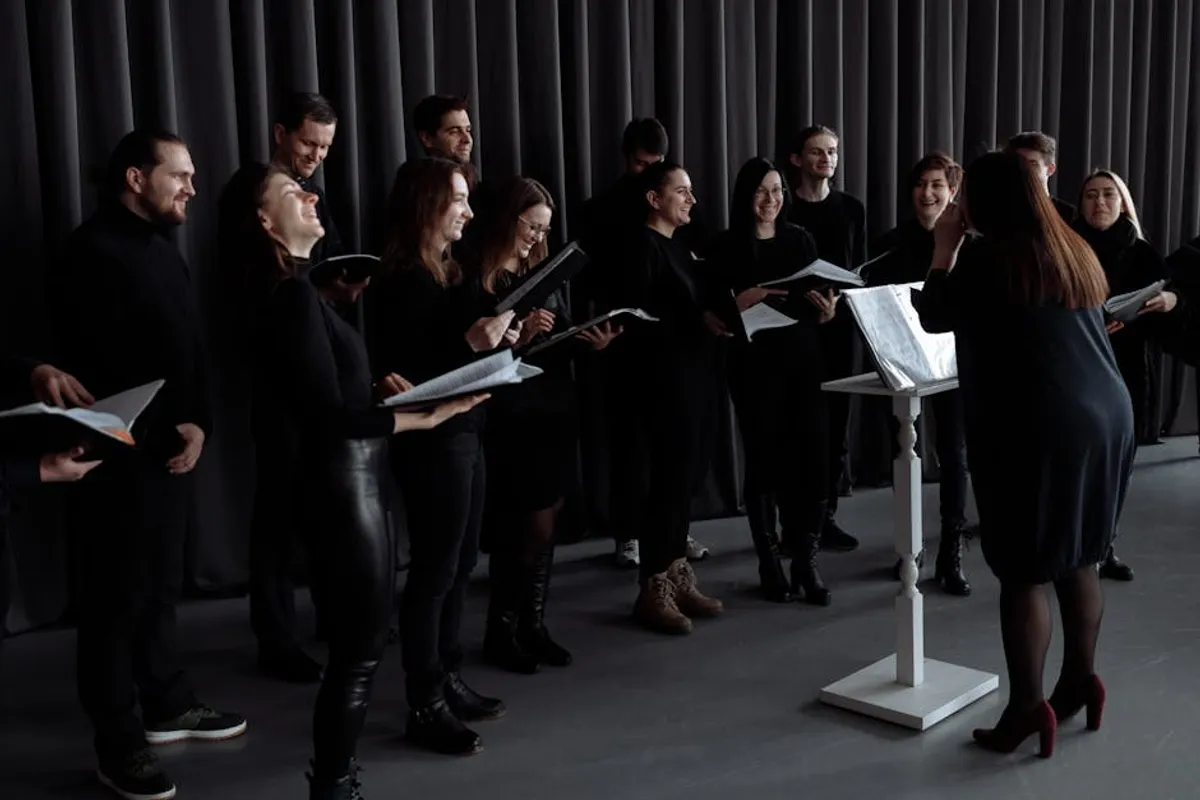
Effective choir rehearsals are not merely practice sessions; they are the strategic foundation upon which exceptional performances are built. The quality of a choir's sound, its expressive range, and its ability to connect with an audience directly correlate with the precision and intentionality applied during rehearsal time. This means moving beyond simply singing through pieces and instead focusing on targeted skill development, musical interpretation, and efficient problem-solving. For directors and ensemble members alike, understanding how to maximize every minute of rehearsal can transform a competent choir into a truly memorable one, ensuring that each performance reflects a deep understanding and polished execution of the repertoire.
Structuring Rehearsals for Maximum Impact
The architecture of a rehearsal session significantly influences its productivity. A well-planned structure ensures that time is allocated effectively to critical areas, preventing aimless repetition and fostering consistent progress.
Defining Session Goals and Agendas
Before any note is sung, establish specific, measurable goals for each rehearsal. This might include mastering a particular challenging phrase, refining the dynamic contrasts in a specific movement, or achieving perfect blend on a new chord. Communicate these objectives clearly to the choir at the outset. An agenda, whether written or verbal, provides a roadmap, allowing members to anticipate the flow and focus their attention. For example, a 90-minute rehearsal might allocate 15 minutes to warm-ups, 30 minutes to a new piece, 20 minutes to refining an established piece, and 25 minutes to expressive elements and run-throughs.
Optimizing Physical Layout and Acoustic Feedback
The physical arrangement of the choir within the rehearsal space directly impacts blend, balance, and the ability of singers to hear each other and the director. Experiment with different configurations—traditional risers, semi-circles, or even mixed voice parts for specific blending exercises. Ensure the space allows for clear sightlines to the director and adequate acoustic feedback. A room that is too dead can hinder blend development, while one that is too live can obscure individual errors. Adjusting seating to place weaker sections or individual singers next to stronger ones can provide immediate peer support and improve overall sound.
Developing Core Vocal and Musical Competencies
Consistent attention to fundamental vocal technique and musicianship is non-negotiable for sustained performance quality. Rehearsals must integrate opportunities for both individual and collective skill refinement.
Implementing Targeted Warm-ups and Vocalises
Beyond basic vocal preparation, warm-ups should be tailored to the specific demands of the repertoire. If the program features intricate harmonies, include vocalises that build harmonic awareness. For pieces with wide vocal ranges, incorporate exercises that safely extend the upper and lower registers. Focus on breath support, resonance, intonation, and articulation. A progressive 10-15 minute warm-up sequence at the start of each session primes voices and minds for the work ahead.
Focused Sectional Work and Individualized Coaching
Regular sectional rehearsals, either led by the director or experienced section leaders, allow for granular problem-solving. Complex passages can be isolated and repeated without overwhelming the full ensemble. During full rehearsals, dedicate brief moments to individual feedback, even if it's a quick note about posture or breath. This demonstrates attention to detail and encourages personal accountability. Recording short segments and playing them back can also provide objective insight for singers to self-correct.
Integrating Sight-Reading and Aural Training Drills
Strong sight-reading skills accelerate the learning process, allowing more rehearsal time to be dedicated to musicality. Incorporate short sight-reading exercises at the beginning of some rehearsals, perhaps 5-10 minutes, using new material or excerpts from the repertoire. Aural training, such as identifying intervals, chords, or melodic patterns by ear, sharpens intonation and harmonic awareness. These skills reduce reliance on rote learning and foster greater musical independence within the ensemble.
Cultivating Expressive and Engaging Performances
Technical proficiency is a prerequisite, but true performance excellence stems from a choir's ability to interpret and convey emotion. Rehearsals must move beyond note-learning to artistic development.
Mastering Dynamics, Phrasing, and Articulation Nuances
These elements transform notes into music. Dedicate time to exaggerating dynamic contrasts, exploring the shape of melodic lines, and experimenting with different articulations (legato, staccato, marcato). Use descriptive language and imagery to evoke desired sounds. For example, instead of "sing louder," try "imagine the sound filling a vast cathedral" for a crescendo, or "like a whispered secret" for a pianissimo section. Consistent attention to these details builds a nuanced and sophisticated sound.
Connecting Emotionally with Text and Musical Narrative
For vocal music, the text is paramount. Explore the meaning of the lyrics, the historical context, and the emotional arc of the piece. Discuss how the music supports or contrasts with the text. Encourage singers to internalize the narrative and convey it through their vocal delivery and facial expressions. Understanding the "why" behind the music creates a more authentic and impactful performance.
Refining Stage Presence and Non-Verbal Communication
Performance extends beyond sound. Rehearsals should include attention to posture, facial expressions, and overall stage presence. Practice entrances, exits, and moments of silence. Directors should guide singers on how to convey focus, joy, or solemnity through their physicality. A choir that looks engaged and confident enhances the audience's experience and reinforces the musical message.
Strategic Rehearsal Techniques for Efficiency
Maximizing rehearsal time requires strategic planning and execution, especially when faced with limited schedules or complex repertoire.
Prioritizing Challenging Passages and Problem Areas
Identify the most difficult sections of each piece early in the learning process. These might be complex rhythmic patterns, intricate harmonies, or areas requiring significant dynamic control. Dedicate focused, shorter bursts of rehearsal time to these sections rather than continuously singing through the entire piece. Break down difficulties into smaller, manageable chunks, and then gradually reassemble them. This targeted approach prevents frustration and builds confidence.
Leveraging Recording and Critical Self-Evaluation
Regularly record portions of rehearsals and play them back for the choir. This objective listening allows singers to hear blend issues, intonation problems, rhythmic inaccuracies, and dynamic inconsistencies that might be missed while singing. Encourage critical self-evaluation and group discussion based on these recordings. This fosters a culture of active listening and collective problem-solving, leading to faster improvements. Focus on specific elements during playback, such as "listen for the balance between tenors and basses in measure 34."
Maintaining Pacing and Preventing Fatigue
Vary rehearsal activities to keep energy levels high and prevent vocal or mental fatigue. Alternate between challenging sections and more familiar material. Incorporate short breaks, even just a few minutes, to allow singers to rest their voices and minds. Changing the focus from technical work to expressive interpretation can also refresh the ensemble. A well-paced rehearsal keeps singers engaged and productive throughout the entire session.
Pro Tip: When addressing an issue, offer a specific solution rather than just pointing out the problem. Instead of saying, "That chord is out of tune," try, "Sopranos, check your C sharp; it needs to be a little higher to lock with the altos." This provides actionable feedback and accelerates correction.
Sustaining Ensemble Growth and Motivation
Beyond individual rehearsals, a long-term strategy for growth and motivation is crucial for a thriving choir. This involves fostering a supportive environment and celebrating progress.
Encourage a culture of mutual respect and active listening. Provide opportunities for singers to contribute ideas and take ownership of the musical process. Recognize and celebrate small victories, whether it's mastering a difficult passage or achieving a new level of blend. Regularly communicate the choir's progress towards performance goals, reinforcing the collective effort. Introducing diverse repertoire, guest clinicians, or collaborative projects can also keep the ensemble inspired and engaged over time, preventing stagnation and fostering continuous development.
Achieving Performance Excellence
Transforming a choir from a group of individuals into a cohesive, expressive musical unit requires intentional, structured, and consistent rehearsal practices. By focusing on clear objectives, refining core vocal and musical skills, cultivating profound emotional connection to the music, and employing efficient rehearsal techniques, directors can elevate their ensemble's capabilities. The commitment to detailed preparation in rehearsals directly translates into performances that are not only technically proficient but also deeply moving and memorable for both singers and audience.
Frequently Asked Questions
How often should a choir rehearse for optimal performance?
The ideal frequency depends on the choir's level and repertoire complexity, but two weekly rehearsals, each 1.5 to 2 hours, often provide sufficient time for skill development and piece preparation without causing burnout.
What is the most effective way to improve intonation during rehearsals?
Focus on slow, sustained singing of problematic chords or melodic lines, using a drone or tuning app for reference. Encourage active listening within sections and across the ensemble, emphasizing perfect intervals and harmonic alignment.
Should I prioritize sight-reading or learning by rote for new pieces?
While rote learning can be faster initially, integrating sight-reading drills builds long-term musical independence and accelerates the learning of future repertoire. A balanced approach, using rote for complex sections and sight-reading for foundational learning, is often most effective.
How can I keep choir members motivated through challenging repertoire?
Break down difficult pieces into smaller, achievable sections. Celebrate incremental progress, vary rehearsal activities to maintain engagement, and remind members of the artistic reward and audience impact of mastering the challenging material.