
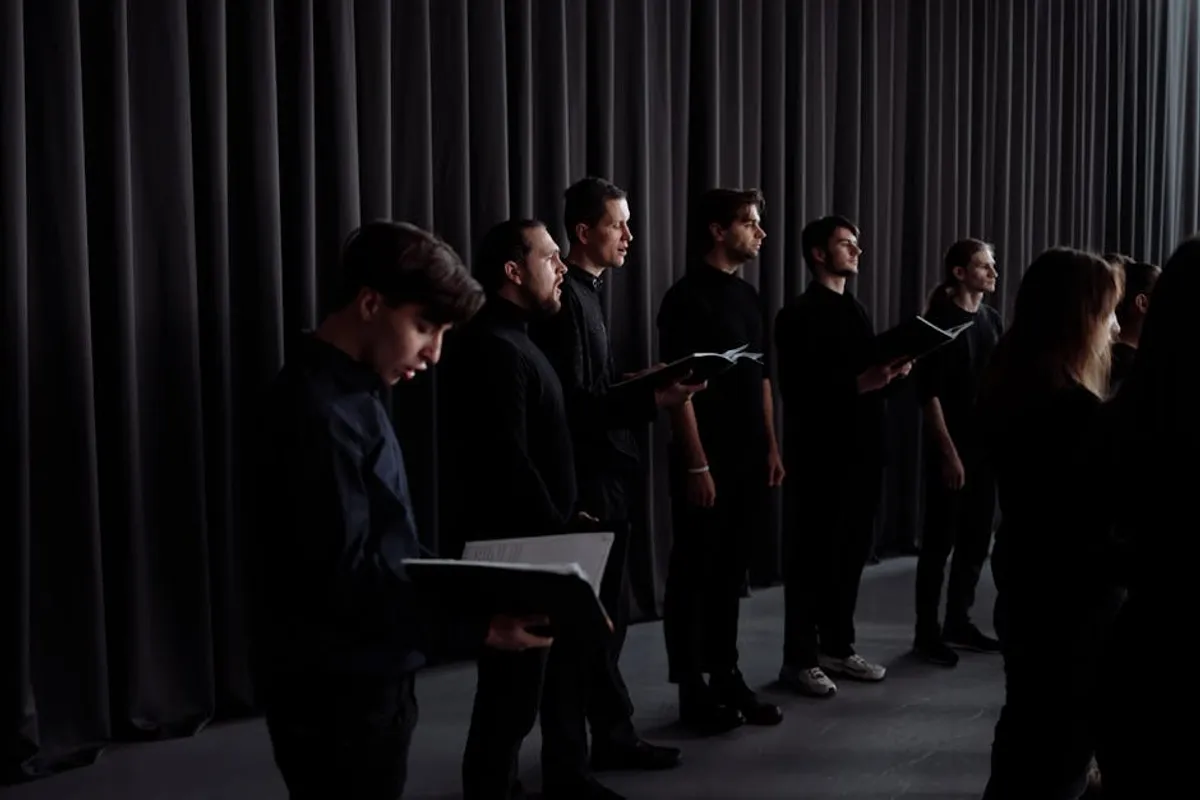
Successfully navigating a choir audition requires more than just vocal talent; it demands strategic preparation, precise execution, and an understanding of the audition environment. Approaching this process with a structured methodology can significantly enhance your chances of securing a spot. This guide outlines actionable steps and considerations to help you present your best vocal and musical self, moving beyond mere performance to a calculated demonstration of your potential contribution to a choral ensemble.
Preparation Fundamentals
The foundation of a strong audition is built long before you step into the room. Diligent research and meticulous practice are non-negotiable components of this phase.
Understanding the Choir's Style and Repertoire
Before selecting your audition material, thoroughly research the specific choir you are targeting. This involves more than just knowing their name. Investigate their typical repertoire – do they specialize in classical, contemporary, jazz, or a broad mix? Analyze their past performances, available through recordings or online archives, to grasp their characteristic sound, blend, and performance style. This insight is crucial for selecting a piece that aligns with their aesthetic and demonstrates your ability to integrate into that specific soundscape. A choir focused on Renaissance polyphony will evaluate different vocal qualities and interpretative skills than one specializing in gospel music. This research is vital for effective choosing choir repertoire that will resonate with the ensemble's established sound.
Selecting Your Audition Piece
Your audition piece serves as your primary introduction. Choose a selection that highlights your vocal strengths, demonstrates your range, and showcases your musicality. Avoid pieces that push your vocal limits or expose weaknesses. The goal is to perform with confidence and control, not to impress with unnecessary difficulty. Select something you know intimately, allowing you to focus on expression and connection rather than just hitting the notes. Ensure the piece is appropriate in length, typically 1-2 minutes, unless otherwise specified by the audition guidelines. It should also be stylistically appropriate for the choir you are auditioning for, reflecting your understanding of their musical direction.
- Vocal Range: Pick a piece that sits comfortably within your tessitura, allowing you to showcase both your highest and lowest reliable notes without strain.
- Musicality: Choose a piece that allows for dynamic contrast, expressive phrasing, and demonstrates your interpretive skills.
- Accompaniment: If accompaniment is required, ensure you have a clean, legible copy of the sheet music for the accompanist, marked clearly with any tempo changes or cuts.
- Memorization: Fully memorize your piece. This frees you to engage with the music and the audition panel, projecting confidence and preparedness.
Mastering Technical Elements
Beyond the notes and rhythms, technical proficiency is paramount. Focus on intonation, breath control, and articulation. Record yourself practicing and critically evaluate your performance. Are pitches consistently accurate? Is your breath support adequate for sustained phrases? Are your consonants clear and vowels pure? Addressing these technical details in advance prevents them from becoming distractions during the audition. Work on developing a consistent, healthy vocal tone across your entire range. Pay attention to dynamics and phrasing, ensuring they are deliberate and contribute to the musical narrative.
The Audition Day Strategy
Audition day is about execution under pressure. A structured approach to your physical and mental state can make a significant difference.
Physical and Vocal Warm-Ups
Arrive early enough to complete a thorough warm-up routine. This should include both physical relaxation exercises and vocal drills. Physical warm-ups can involve gentle stretching to release tension in the neck, shoulders, and jaw, improving breath support. Vocal warm-ups should gradually engage your voice, starting with humming and gentle scales, progressing to arpeggios and exercises that cover your full range. Avoid over-singing or pushing your voice immediately before the audition. The goal is to prepare your instrument, not exhaust it. Hydrate consistently throughout the day.
Managing Audition Nerves
Nerves are a natural part of the audition process, but they must be managed to prevent them from hindering your performance. Develop strategies such as deep breathing exercises, positive visualization, or focusing on the technical aspects of your piece. Remind yourself that the panel wants you to succeed. Frame the audition not as a judgment, but as an opportunity to share your music. Acknowledge the nerves, then consciously shift your focus to your preparation and the joy of singing.
Pro Tip: Before entering the audition room, take a moment to center yourself. Perform a few slow, deep breaths, inhaling through your nose for four counts, holding for four, and exhaling slowly through your mouth for six. This helps to calm the sympathetic nervous system and improve focus.
Engaging with the Panel
When you enter the audition room, project confidence and professionalism. Greet the panel clearly and make eye contact. Present your sheet music to the accompanist efficiently. When introducing your piece, be concise and polite. During your performance, engage with the music, but also be aware of the panel. They are assessing not just your voice, but your presence, your ability to follow directions, and your potential as a collaborative ensemble member. If asked to sight-read or perform vocal exercises, approach these tasks with a positive attitude, demonstrating your adaptability and willingness to learn.
Post-Audition Best Practices
The audition doesn't end when you leave the room. How you process the experience can be valuable for future opportunities.
Reflecting and Learning
Regardless of the outcome, take time to reflect on your audition. What went well? What could have been improved? This self-assessment is crucial for growth. Did you feel adequately prepared? Was your piece the best choice? Did you manage your nerves effectively? Make notes on these observations. If you receive feedback, process it constructively, identifying areas for development without dwelling on perceived shortcomings. Every audition, successful or not, is a learning opportunity that refines your approach for the next one. Maintain a professional demeanor, whether you receive an offer or not, as reputation and connections within the musical community are valuable assets.
Common Questions About Choir Auditions
What should I wear to a choir audition?
Dress professionally and comfortably. Choose attire that allows for easy breathing and movement, but also conveys respect for the audition process. Business casual is generally appropriate – avoid overly restrictive clothing or anything distracting.
How important is sight-reading in a choir audition?
Sight-reading ability is often a significant factor, especially for more advanced choirs. It demonstrates your musical literacy and ability to quickly learn new material. Practice sight-reading regularly, even if it's not explicitly listed as an audition requirement, as it may be used to assess your musicianship.
Should I bring my own accompanist?
Unless specified, most choirs provide an accompanist. If you have a preferred accompanist who knows your piece well, you might inquire if bringing them is an option, but be prepared for the choir's provided accompanist. Always have a clean copy of your music for whoever plays.
What if I make a mistake during my audition?
Mistakes happen. The key is how you recover. Do not stop unless explicitly told to do so. Continue singing, maintain your composure, and demonstrate your ability to stay focused and resilient. The panel is often looking for how you handle pressure, not just perfection.