
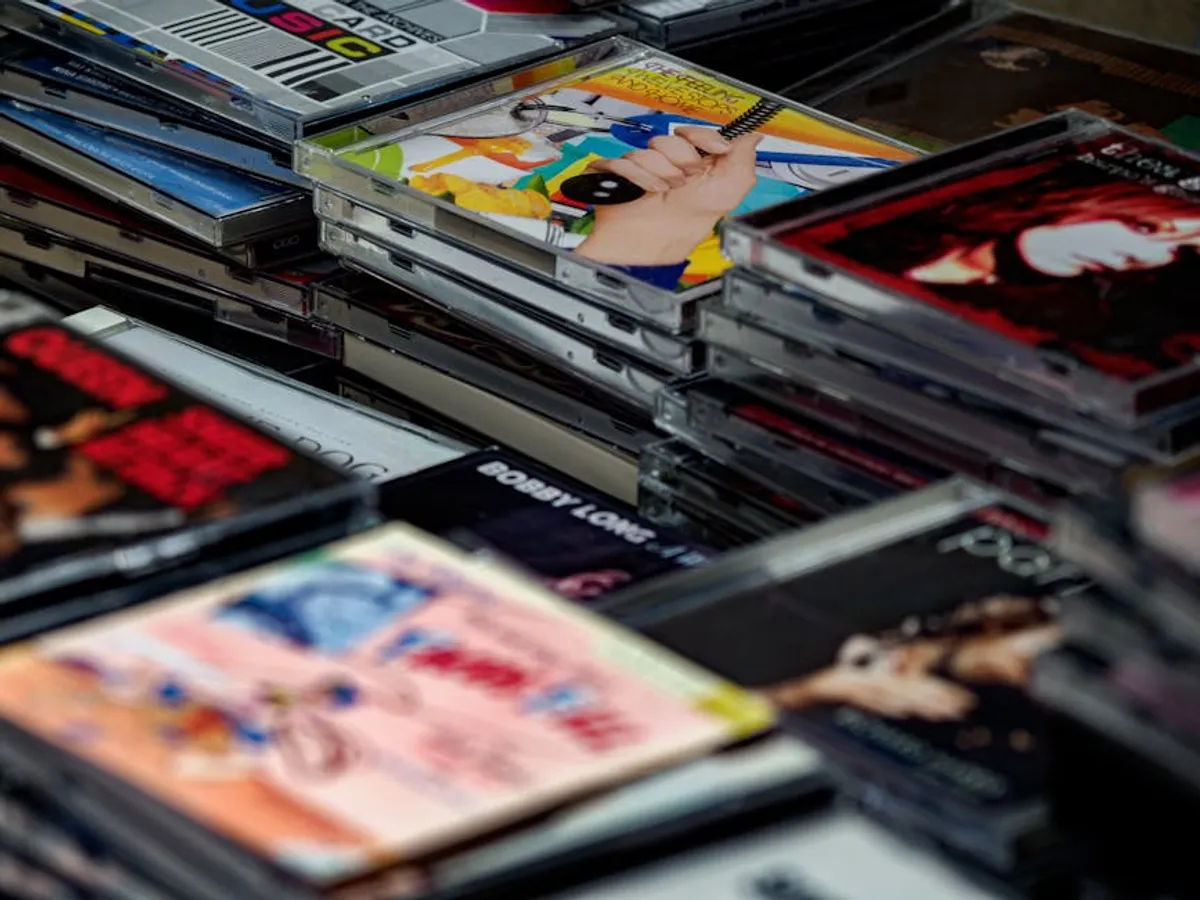
An album release calendar serves as a critical organizational tool for anyone operating within or adjacent to the music industry. It is not merely a list of dates, but a strategic asset that informs content planning, marketing campaigns, journalistic coverage, and even fan engagement. For artists and labels, it dictates promotional timelines; for marketers and publicists, it structures outreach; for content creators and publishers, it provides a roadmap for generating timely, relevant material. Understanding how to construct and leverage such a calendar effectively means transitioning from reactive coverage to proactive, informed strategy, ultimately impacting visibility and audience reach. This strategic planning also extends to how you approach creating a music event calendar for broader promotional efforts.
Defining an Album Release Calendar
An album release calendar is a centralized, dynamic repository of information detailing upcoming music releases. Its core function is to track scheduled album launches, but its utility extends to singles, EPs, and even significant re-releases or deluxe editions. The calendar consolidates key data points, enabling stakeholders to anticipate events, allocate resources, and coordinate activities around specific release dates.
Primary purpose: To provide a structured overview of future music releases, facilitating strategic planning across various professional functions.
Strategic Advantages of Maintaining a Release Calendar
Implementing and adhering to a comprehensive album release calendar offers distinct advantages for diverse professional roles:
- For Artists & Labels: Ensures coordinated efforts across recording, production, distribution, marketing, and publicity. Prevents scheduling conflicts and optimizes promotional windows.
- For Music Marketers & Publicists: Allows for timely outreach to media, influencers, and playlist curators. Enables the development of tailored campaigns that align with release cycles, maximizing impact.
- For Content Creators & Publishers: Provides advanced notice for scheduling reviews, interviews, news articles, and themed content. Supports keyword research and content optimization around anticipated search interest.
- For Retailers & Distributors: Facilitates inventory management, pre-order campaigns, and targeted merchandising efforts.
- For Event Organizers: Helps identify potential tour dates or promotional events that can coincide with new music launches.
Essential Data Points for Each Release Entry
A functional album release calendar requires specific, actionable information for each entry. The depth of detail will depend on your specific needs, but these fields form a robust foundation:
- Artist Name: Full name, including any featured artists.
- Album/Single Title: Official title of the release.
- Release Date: Specify global release date and any regional variations.
- Genre(s): Primary and secondary genres for categorization and targeting.
- Label & Distributor: Affiliated record label and distribution partner.
- UPC/ISRC: Universal Product Code (album) or International Standard Recording Code (track) for unique identification.
- Key Tracks/Singles: Identify lead singles or tracks slated for early promotion.
- Pre-Order/Pre-Save Links: Direct links to digital storefronts or streaming services.
- Press Assets Link: A secure link to an electronic press kit (EPK) containing high-res photos, bios, cover art, and press releases.
- Promotional Focus: Brief notes on the primary marketing angle or target audience for the release.
- Status: (e.g., Confirmed, Tentative, Delayed, Released) for tracking progress.
Constructing Your Album Release Calendar
Choosing Your Platform
The selection of a platform directly impacts the calendar's usability and collaborative potential.
Spreadsheet Software (e.g., Google Sheets, Microsoft Excel):
Best for: Cost-effective, highly customizable, and suitable for individual use or small teams. Offers robust filtering, sorting, and conditional formatting capabilities. Allows for easy integration with other tools via CSV export/import.
Project Management Tools (e.g., Trello, Asana, Monday.com):
Best for: Teams requiring task assignment, progress tracking, and integrated communication. Visual kanban boards or timeline views can represent releases as projects, with sub-tasks for marketing, content creation, and outreach.
Specialized Music Industry Platforms:
Best for: Larger organizations or those needing industry-specific integrations. These often include features for royalty tracking, distribution management, and direct artist communication, though they typically come with a subscription cost.
Data Collection and Verification
Accuracy is paramount. Rely on official announcements from labels, artists, and distributors. Supplement this with reputable industry news sources and aggregators. Cross-reference information to minimize errors and account for last-minute changes.
Categorization and Filtering
Implement a consistent categorization system. This enables quick retrieval of specific information. Filter by genre to identify upcoming releases relevant to a niche audience, by release date to prioritize immediate tasks, or by artist to track ongoing projects.
Integrating with Promotional Activities
The calendar should not operate in isolation. Link each release entry to a planned series of promotional tasks. For content creators, this means scheduling review assignments, interview requests, and social media posts. For marketers, it involves aligning email campaigns, ad buys, and influencer outreach with the release timeline.
Pro Tip: Implement a color-coding system within your calendar to visually distinguish release statuses (e.g., green for confirmed, yellow for tentative, red for delayed). This provides an immediate overview of stability and helps prioritize follow-ups on uncertain dates.
Leveraging Your Calendar for Content and SEO
An album release calendar is a powerful SEO and content planning asset:
- Anticipatory Content Creation: Identify high-profile releases well in advance. Create "anticipation" content (e.g., "Most Anticipated Albums of [Month/Year]," "What We Know About [Artist]'s New Album") to capture early search interest.
- Keyword Strategy: Research keywords around upcoming artists and album titles. Integrate these terms into reviews, news pieces, and artist profiles to improve organic search visibility.
- Content Scheduling: Map out a content pipeline. Schedule album reviews to publish on release day, follow-up pieces (e.g., "Best Tracks," "Hidden Gems") a week later, and artist interviews or features to coincide with promotional cycles.
- Internal Linking Opportunities: Use new album content to link back to existing artist discographies, genre pages, or related articles, strengthening your site's internal link profile and improving crawlability.
- Schema Markup: For sites publishing music content, use structured data (e.g., MusicAlbum, MusicRelease) to provide search engines with explicit information about release dates, artists, and album details, potentially enhancing rich snippet display.
Maintaining Accuracy and Timeliness
Album release dates are fluid. Labels and artists frequently adjust schedules due to production delays, strategic shifts, or unforeseen circumstances. Regularly check official sources and industry updates. Designate a specific person or team to manage updates, ensuring consistency and accuracy across all dependent departments. Establish a clear process for communicating changes internally to prevent misaligned efforts.
Optimizing Your Album Release Calendar
To maximize the utility of your album release calendar, treat it as a living document. Regularly review its structure, the data points collected, and its integration with your broader operational workflows. Solicit feedback from all users to identify pain points and areas for improvement. Consider incorporating automation for data entry where possible, or setting up alerts for impending release dates. The goal is to evolve the calendar from a static list into an indispensable, dynamic planning and execution tool that drives strategic decisions and enhances efficiency.
Frequently Asked Questions
Who benefits most from an album release calendar?
Artists, record labels, music publicists, marketers, journalists, content creators, and music retailers all gain significant advantages from a well-maintained album release calendar by enabling proactive planning and coordinated efforts.
What is the difference between a public and an internal release calendar?
A public calendar typically shares basic information like artist, album title, and release date for fan or general media consumption. An internal calendar includes much more detailed, sensitive, or proprietary information, such as promotional budgets, specific marketing strategies, embargo dates, and internal contact details.
How often should I update my album release calendar?
Updates should occur as frequently as new information becomes available, ideally daily or several times a week. Release dates are subject to change, so regular checks against official sources are crucial for maintaining accuracy.
Can I automate data collection for my calendar?
Partial automation is possible using web scraping tools for public data sources or API integrations with certain industry databases. However, verification and manual input for proprietary information or last-minute changes will always be necessary to ensure complete accuracy.